Kindergarten/Young 5’s
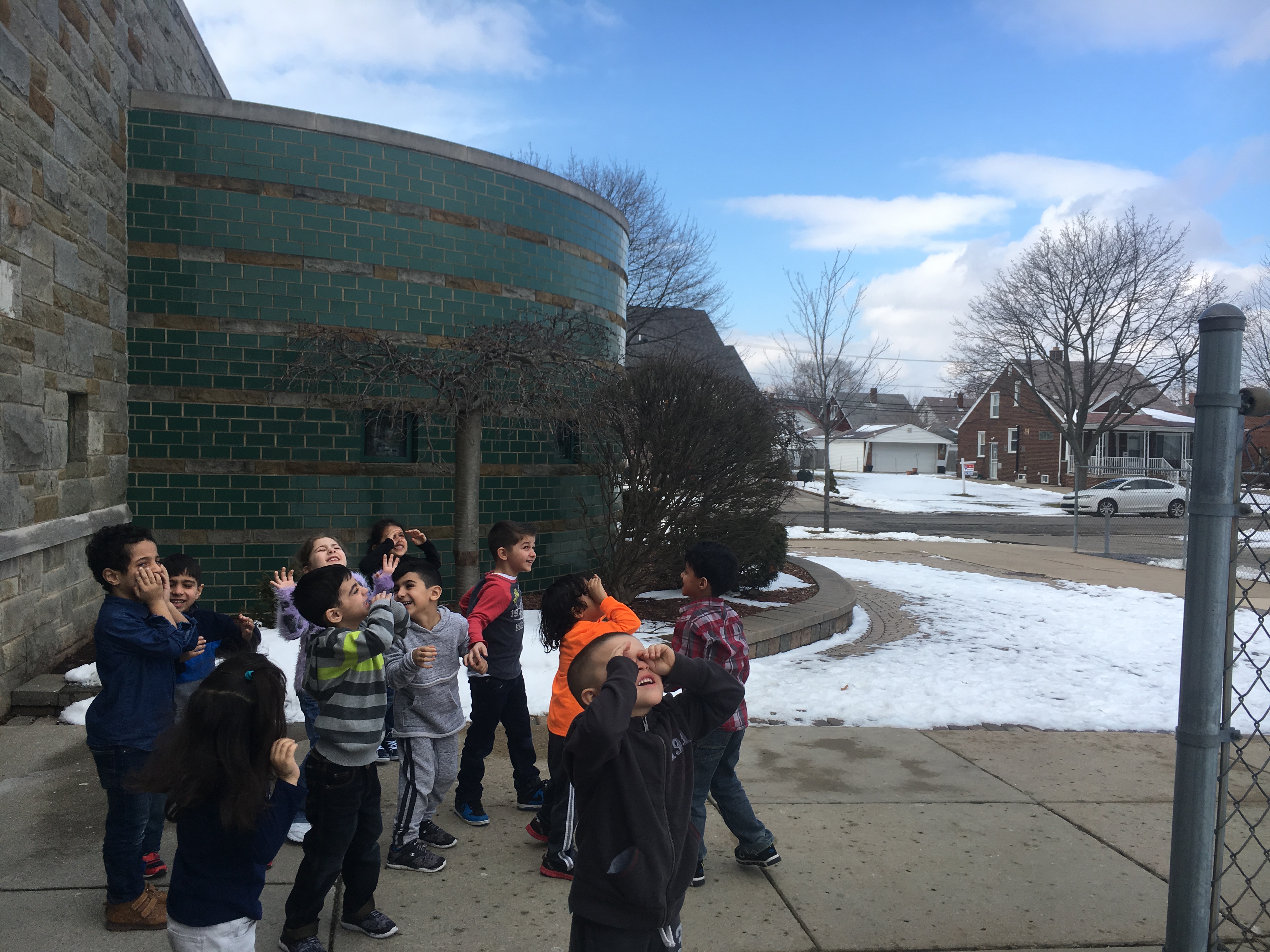
I can learn more details on how to describe the weather by following along with the Mystery Science activity “Have You Ever Watched a Storm?”.
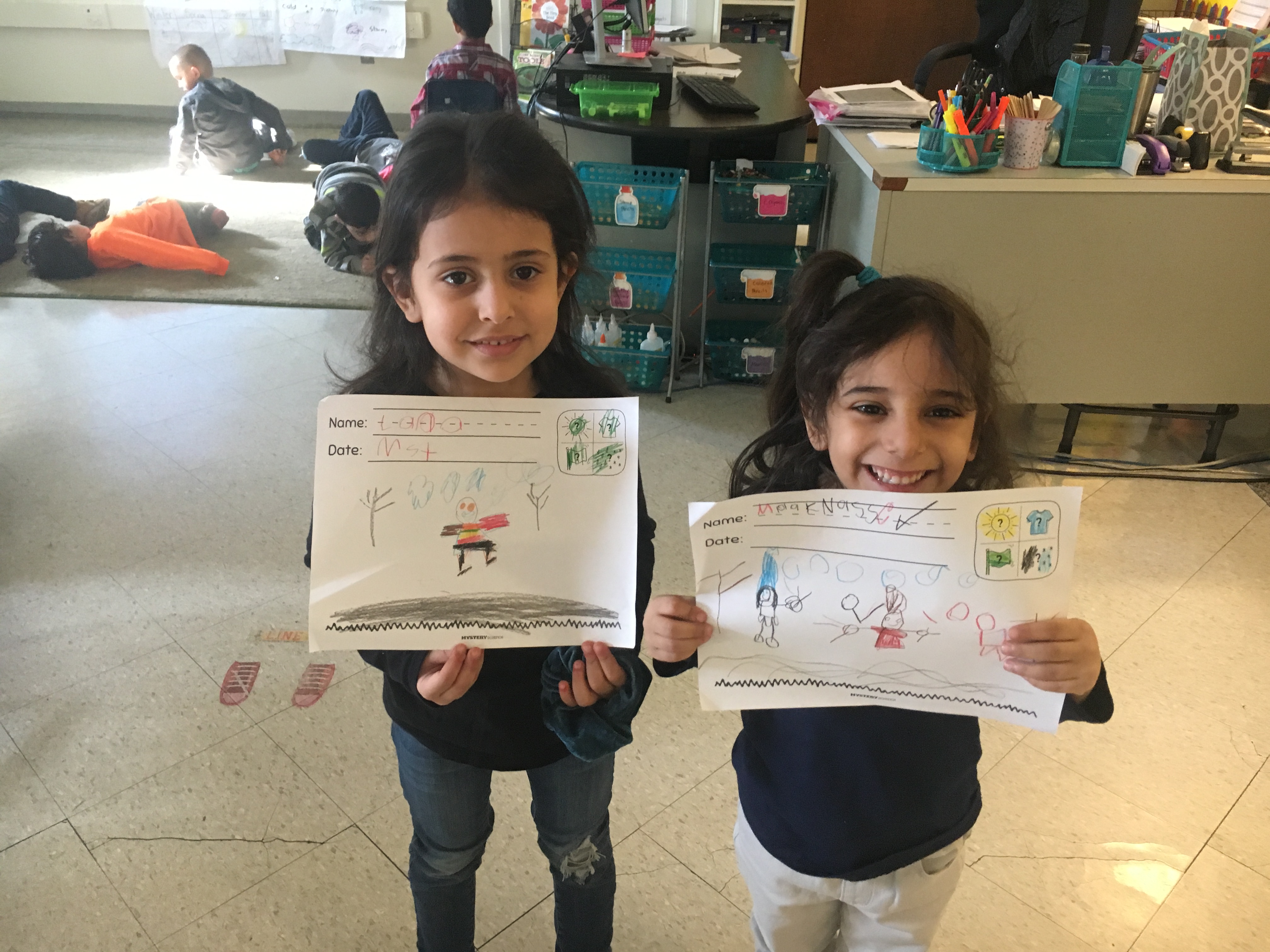
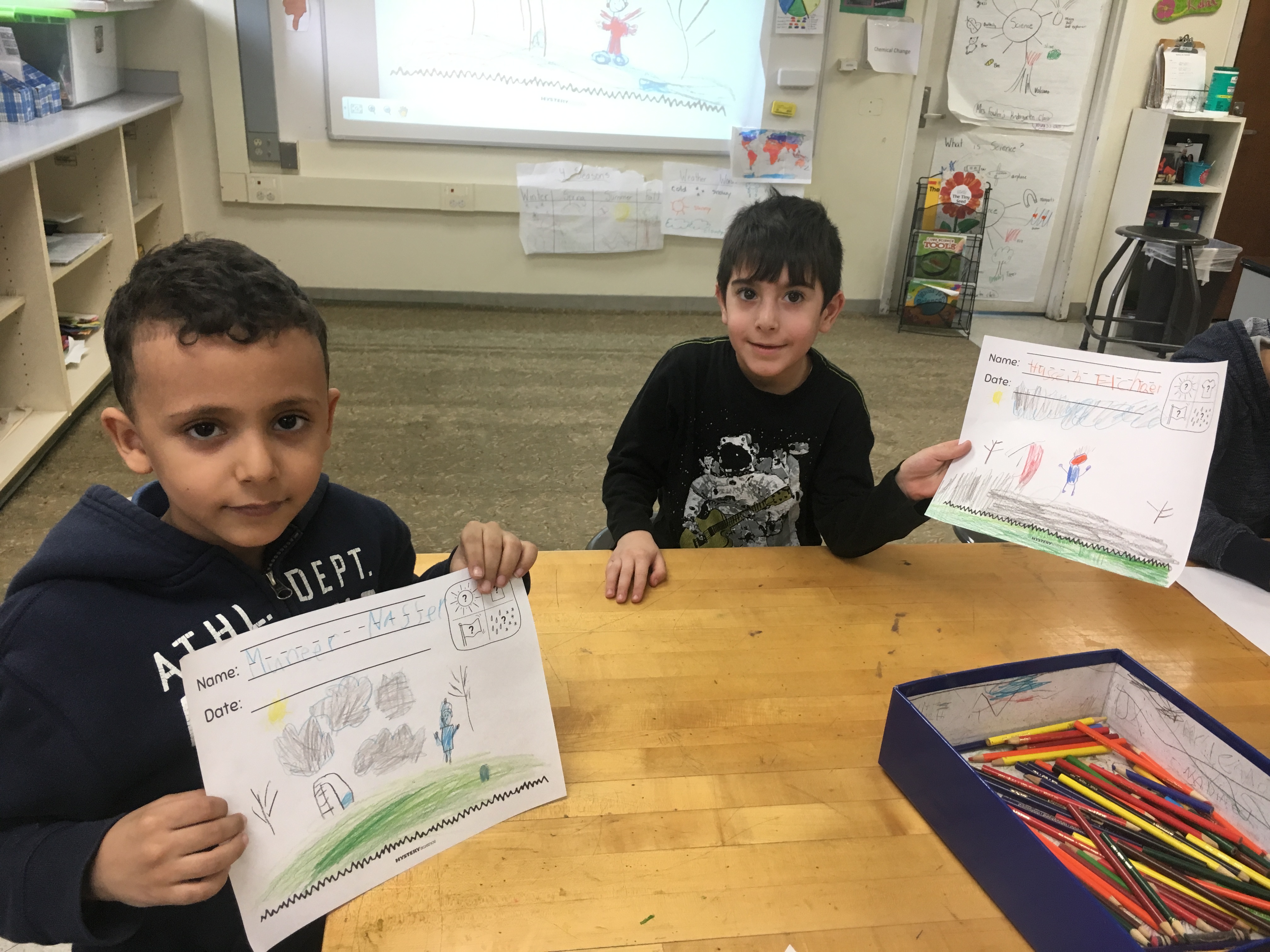
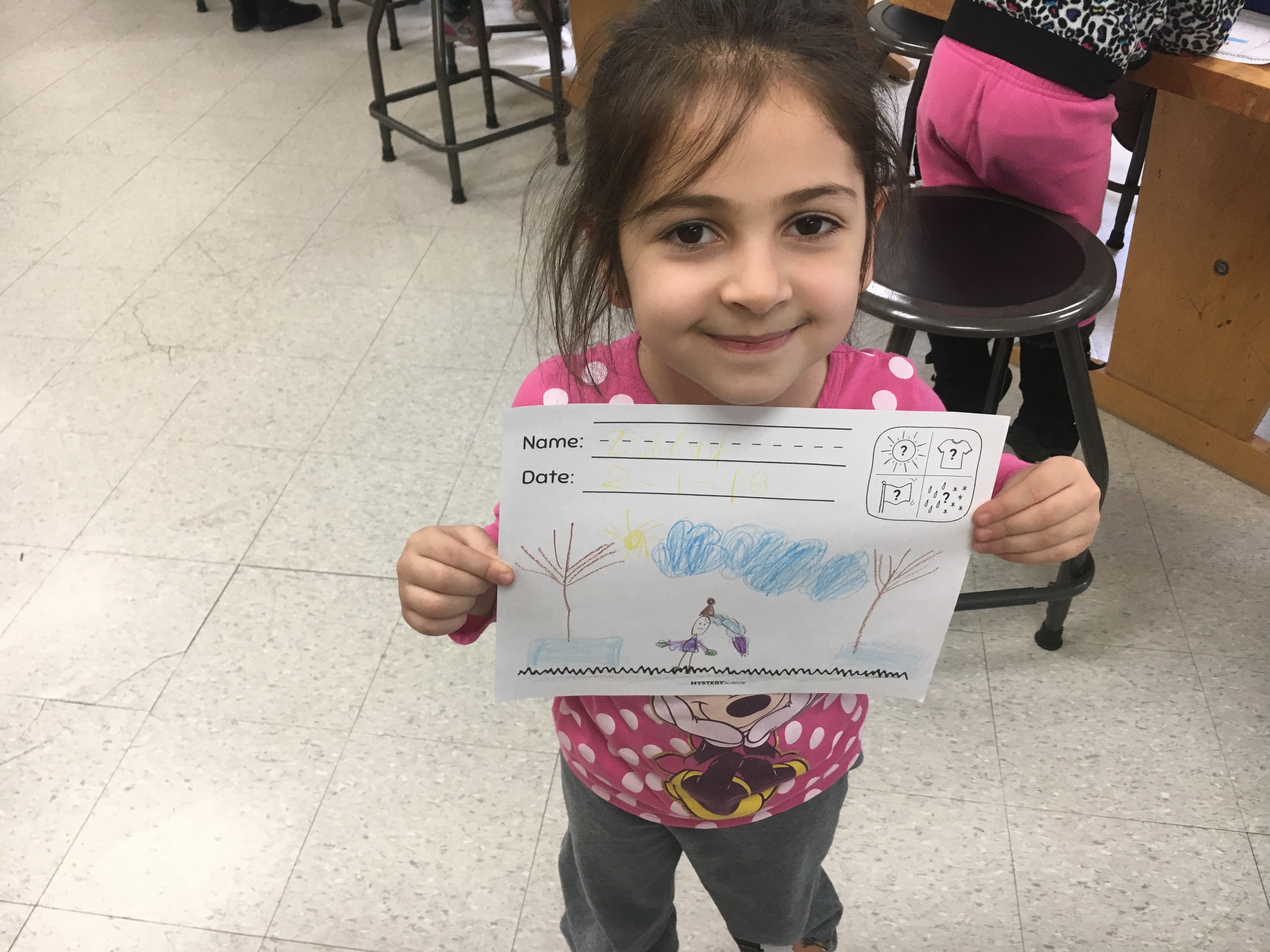
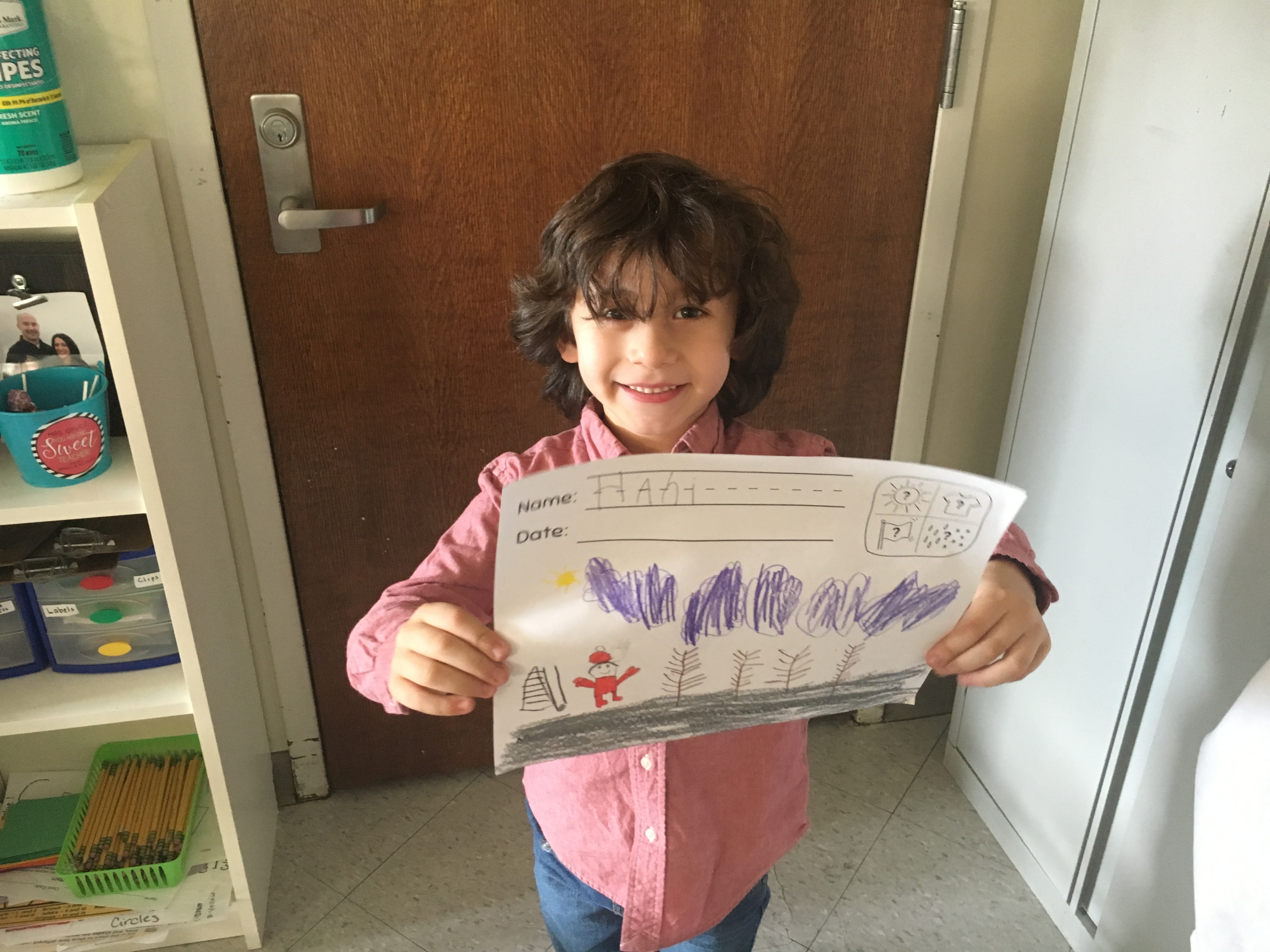
I can draw a picture describing today’s weather. In my picture I will make sure I draw what I am wearing and how the sky and ground look.
I can orally explain using sentence stems:
The weather is ________________.
I am wearing ________________ because it is __________ outside.
I can see __________________________.
First Grade
I can demonstrate knowledge of the moon by observing a movable model of the moon and watching a brainpop video.
I can draw a picture and write a sentence to explain at least one new fact that I learned about our moon today.
Sentence Stem:
I learned that the moon _____________________________________________.
ESS1:B
Second Grade
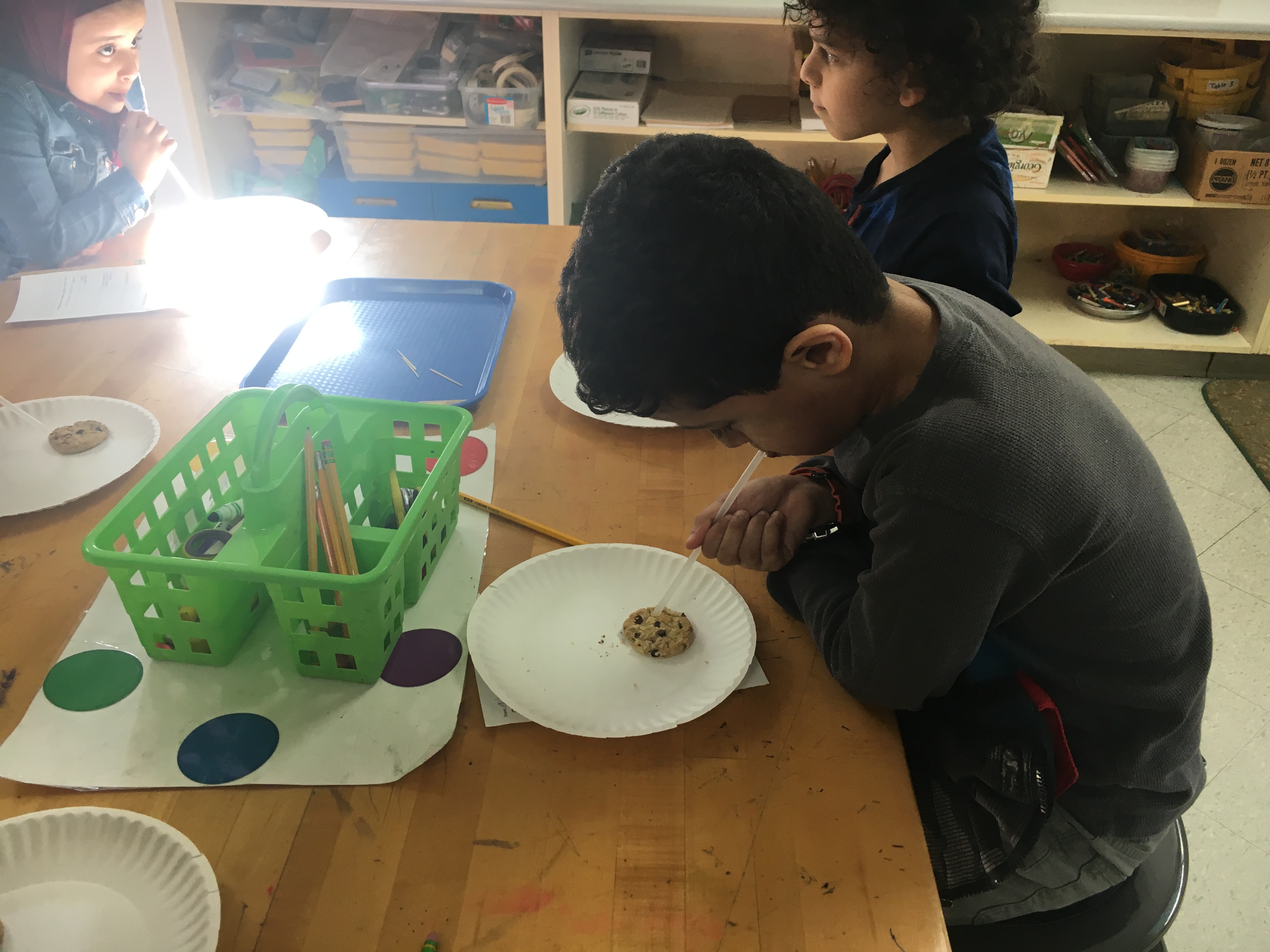
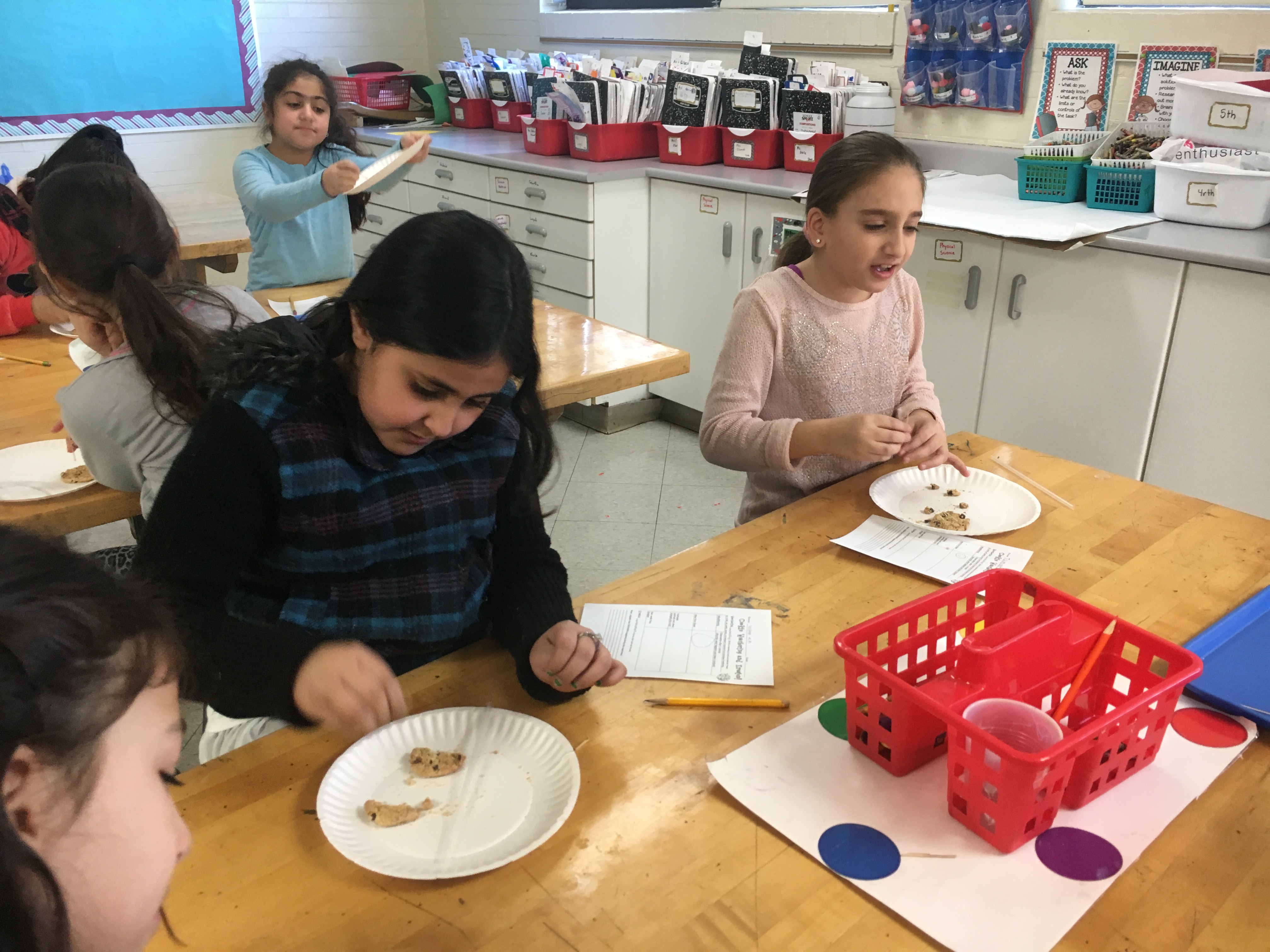
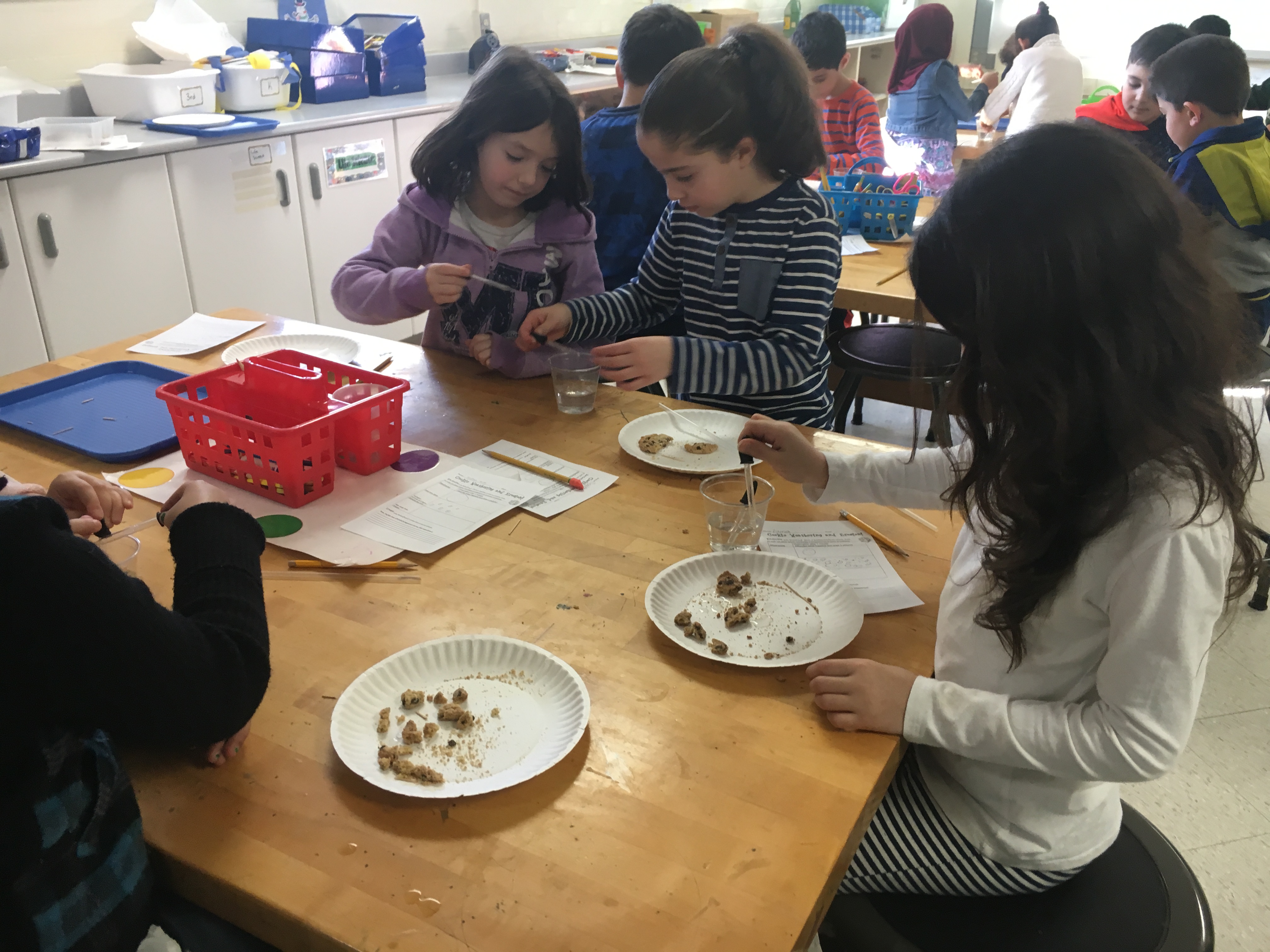
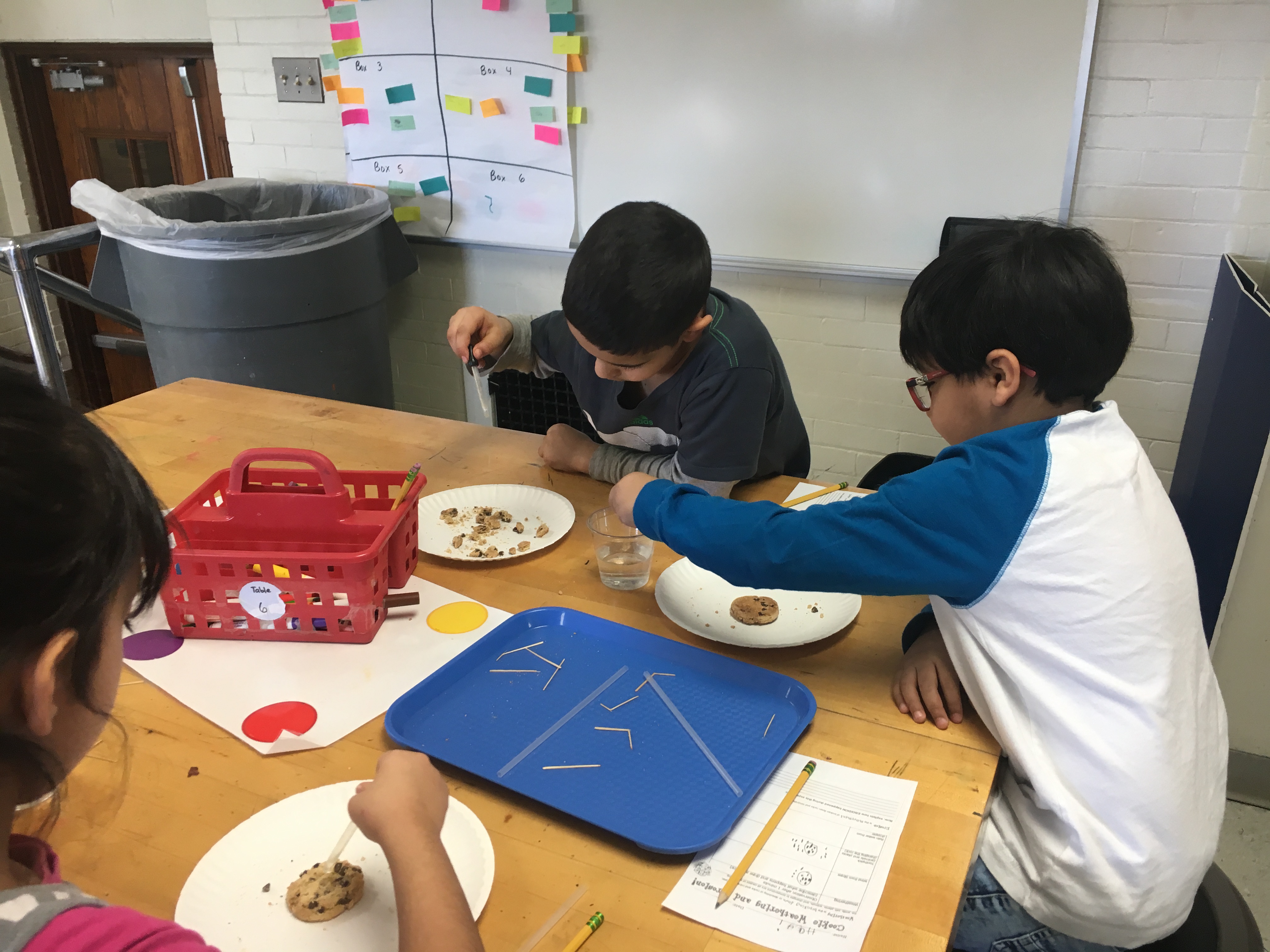
I can demonstrate how landforms form or change by experimenting in a “Cookie Weathering and Erosion” lab using chocolate chip cookies(landform/rock), straw(wind), toothpick(animals and plants changing rock), and dropper(rain).
I can draw or write to explain my observations of weathering and erosion during the “Cookie Lab”.
Vocabulary: landforms, mountain, plataeu, mesa, hill, plain, volcano,beaches, island, peninsula, weathering, erosion
ESS1.C 2-ESS1-1
ESS2.A
Third Grade
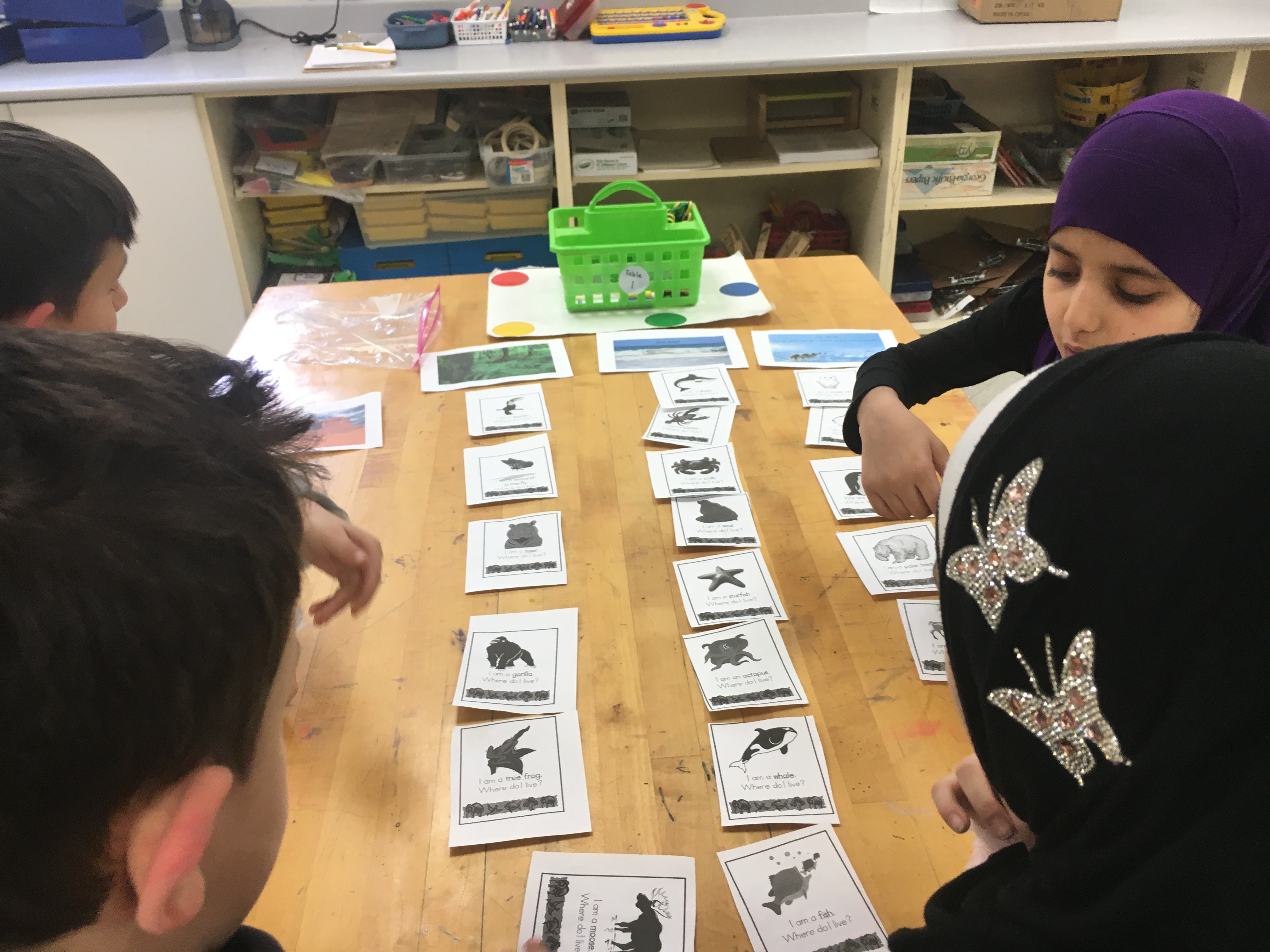
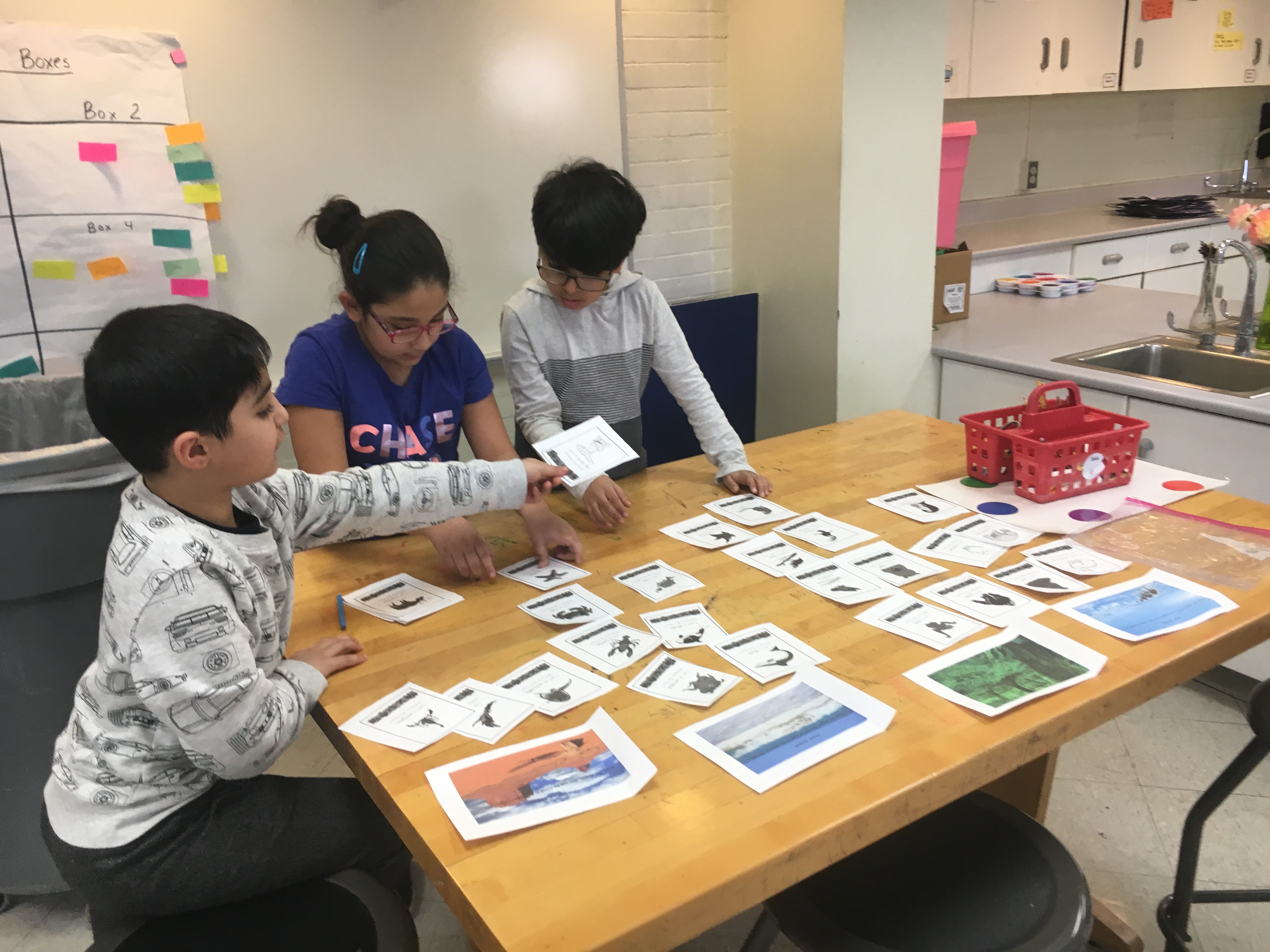
I can demonstrate knowledge of animal habitats by matching animals to their correct habitat and explaining why I think they belong there.
I can write to explain why one I matched an animal to a certain habitat.
Sentence Stems:
__________ belongs in the ___________ habitat.
I think this because__________________________________.
Vocabulary: habitat, physical characteristics, organisms, survival, environment
LS4.D
Fourth Grade
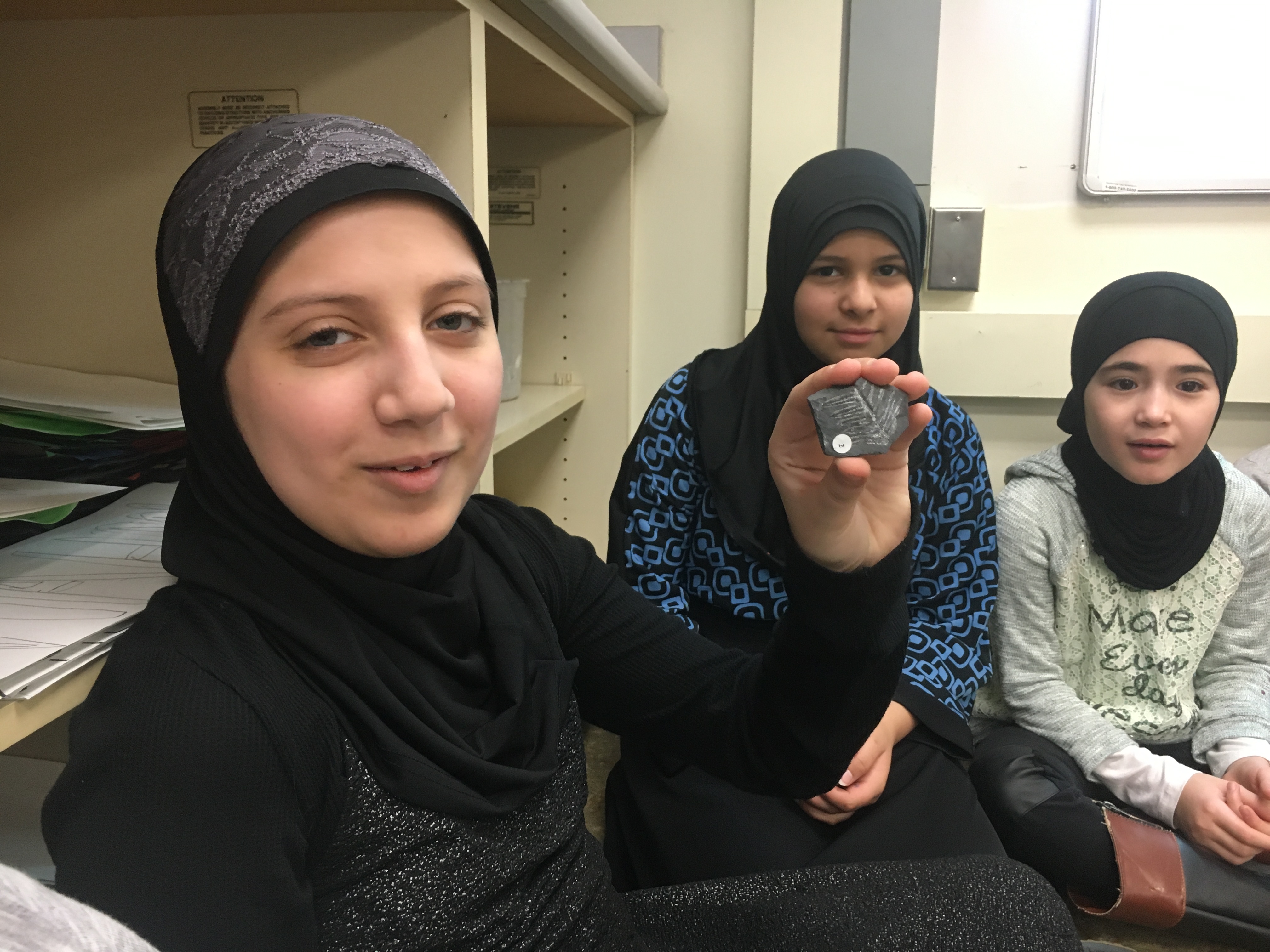
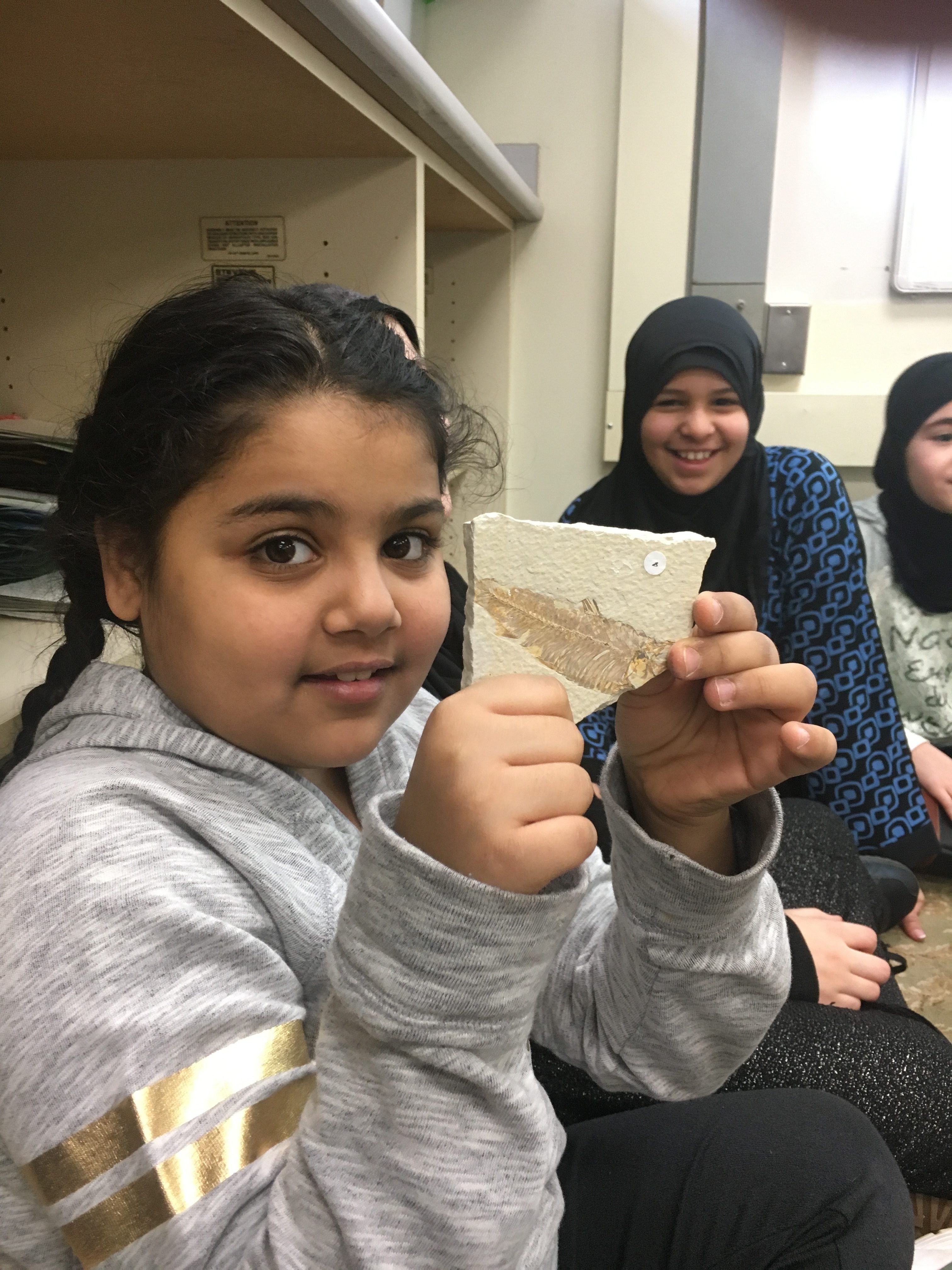
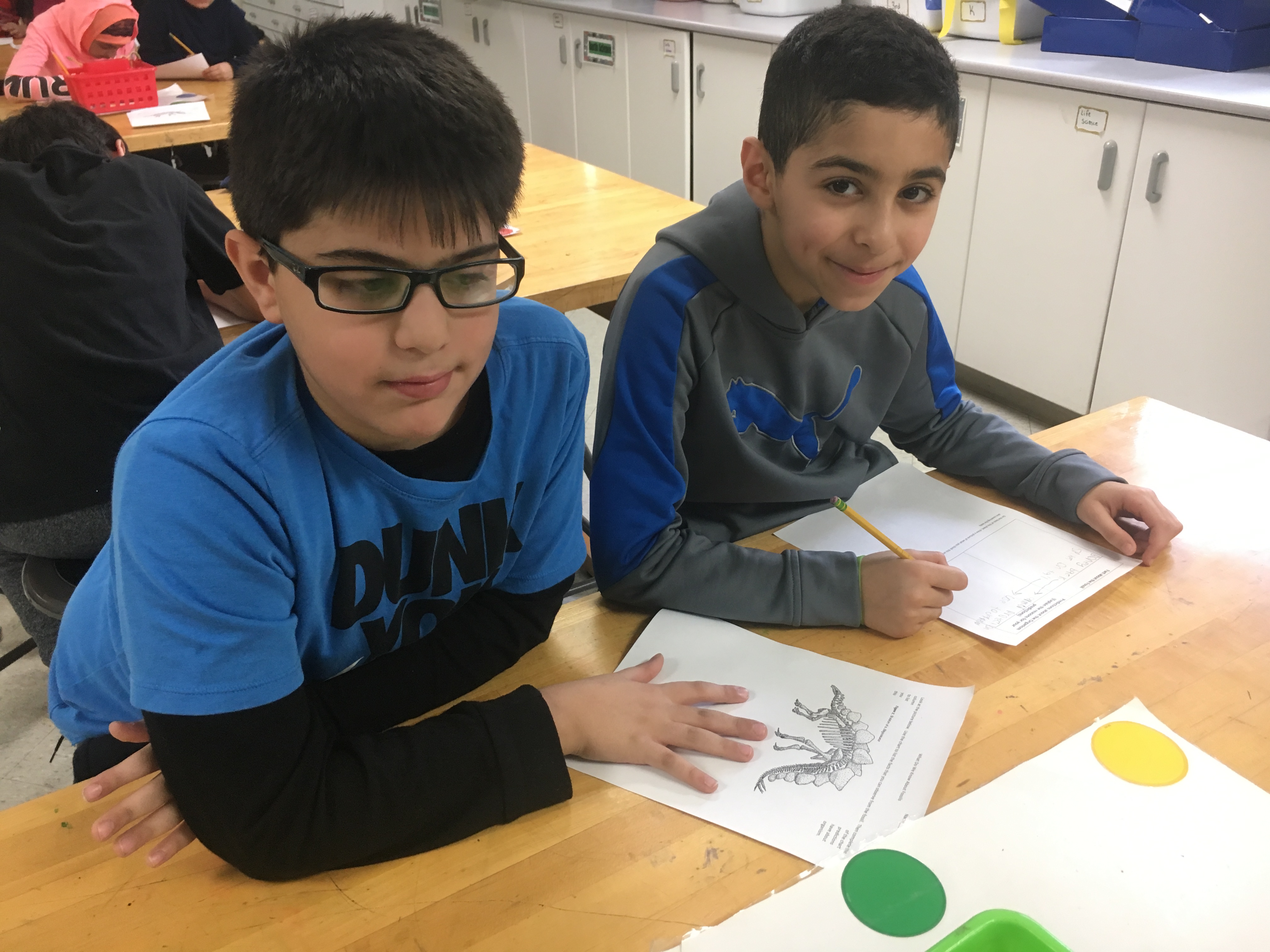
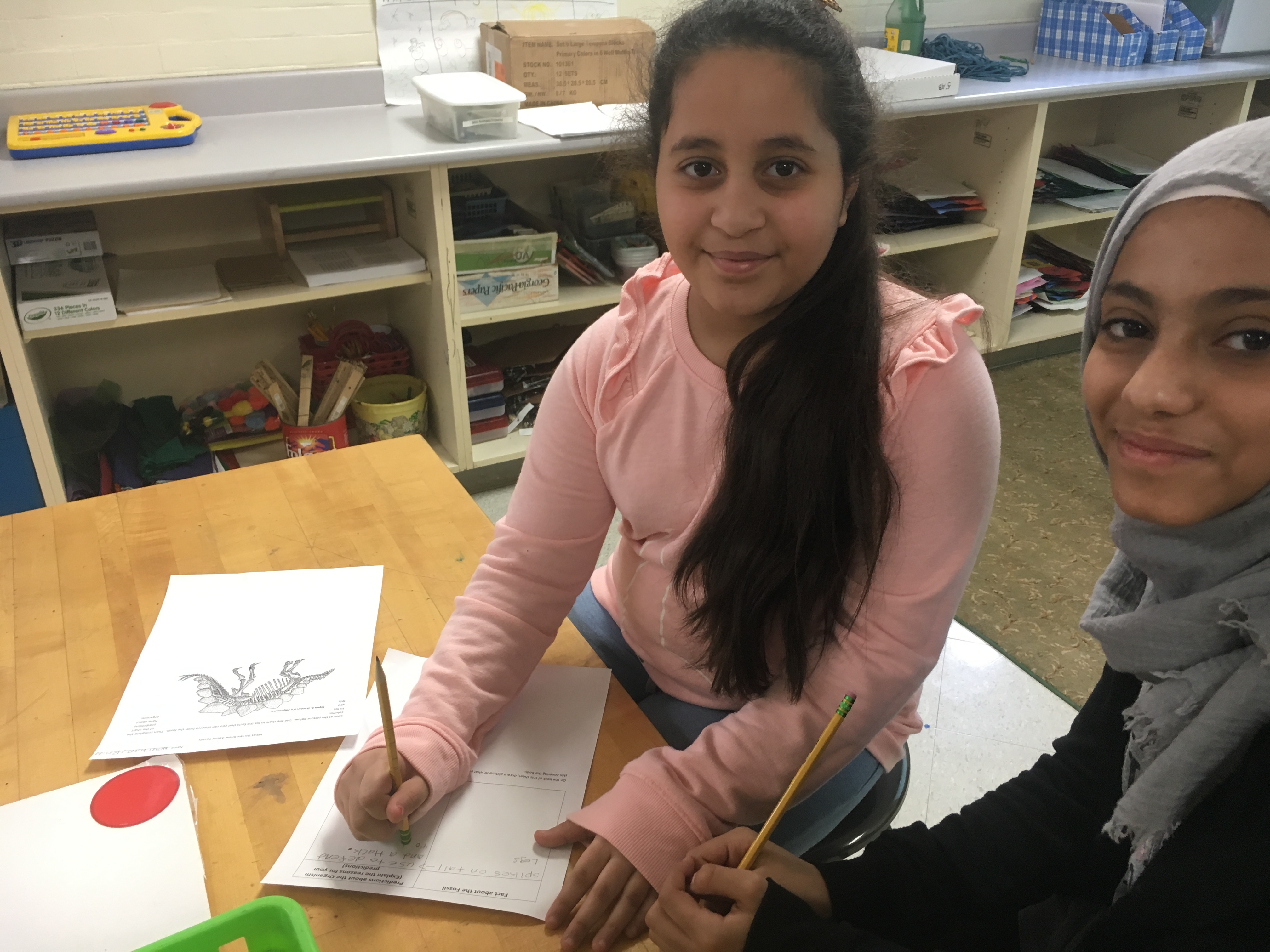
I can demonstrate comprehension of fossils by exploring real fossil rocks and working in a group as paleontologists to figure out what one can learn from a fossil structure of a Stegosaurus.
I can write and draw to explain facts about my fossil and predict about the organism.
Vocabulary: Earth Processes, fossils, Paleontologist, organisms, extinct, structure, behavior
4-ESS1-1
Fifth Grade
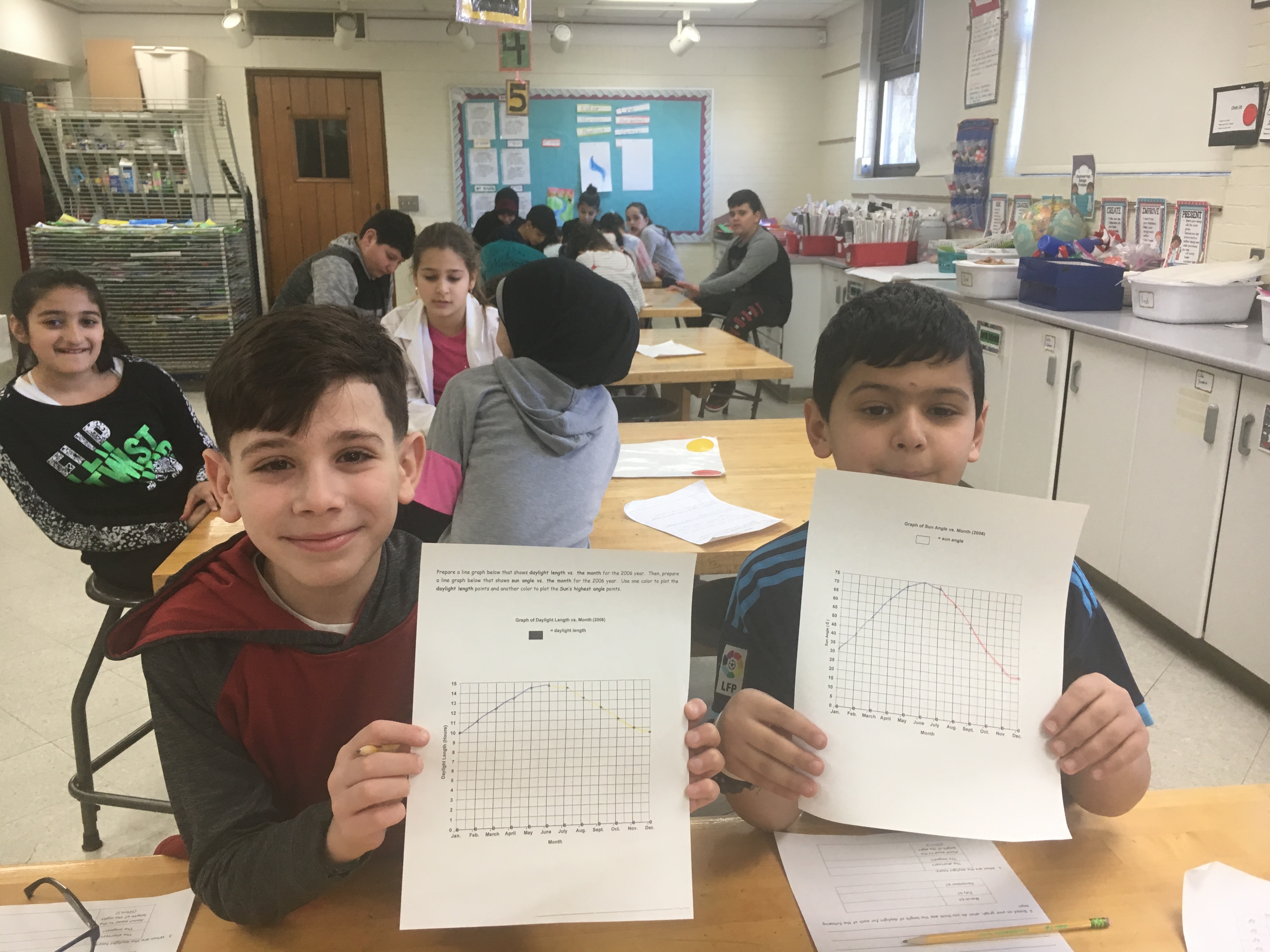
I can demonstrate comprehension of Earth’s patterns of day, night and seasons by creating line graphs that show a years worth of data about length of sunlight and the sun’s angel.
I can explain and answer questions about the patterns I observed from the data in my graph and how it helps me understand why Earth has day and nights, and seasons.
Vocabulary: rotation, revolve, orbit, seasons, axis, patterns, line graph
5-ESS1-2
Leave a Reply