February 27-March 3
Kindergarten
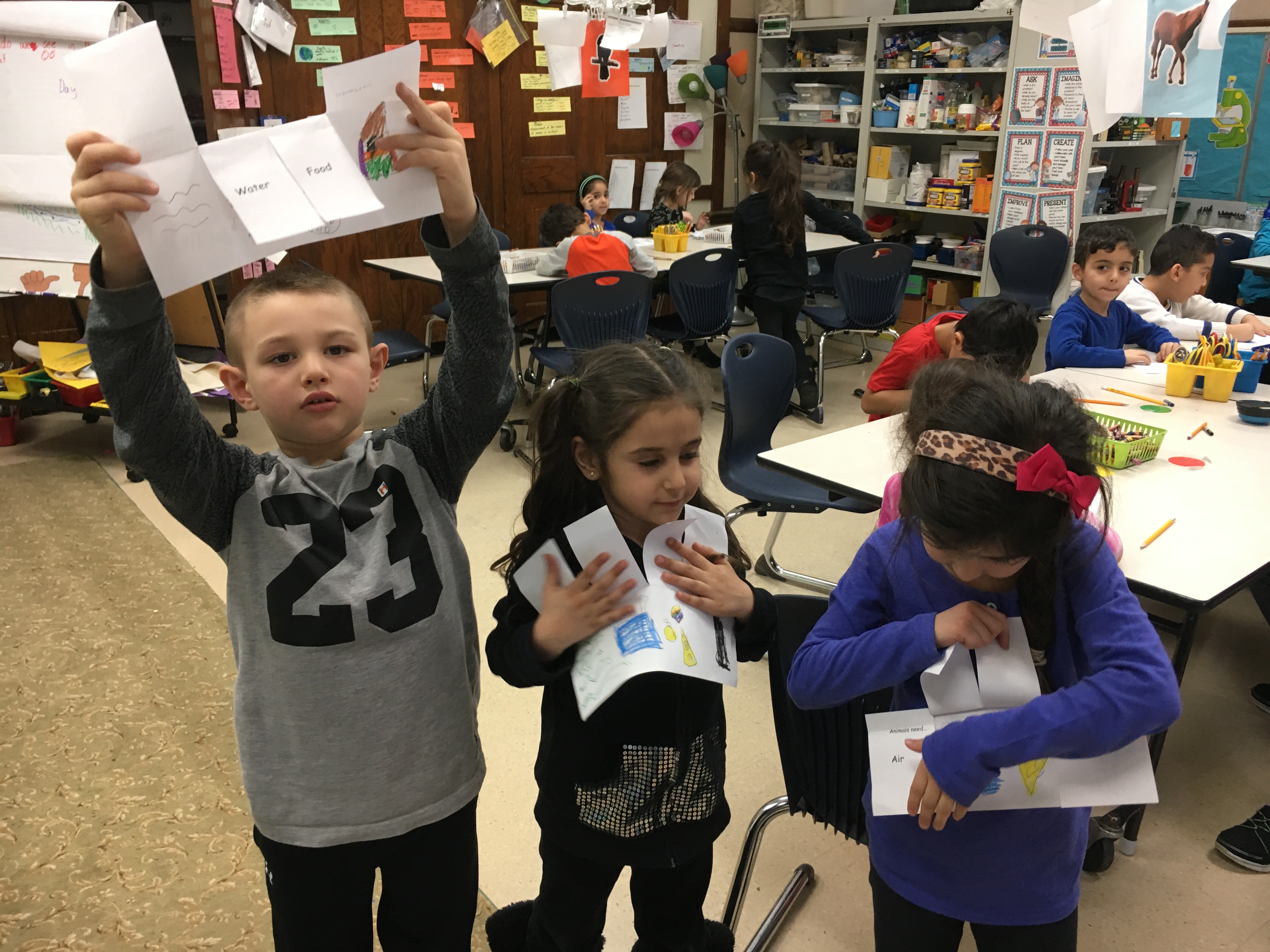
Content Objective: I can distinguish between living and nonliving things by comparing a stuffed animal cat versus a real cat focusing on what each needs.
Language Objective: I can draw the four basic needs of an animal (air, food, water, shelter).
Sentence Stems:
The real cat is living because_________________.
The stuffed animal cat is not living because________________.
L.OL.00.11 Identify that living things have basic needs.
L.OL.00.12 Identify and compare living and nonliving things.
First Grade
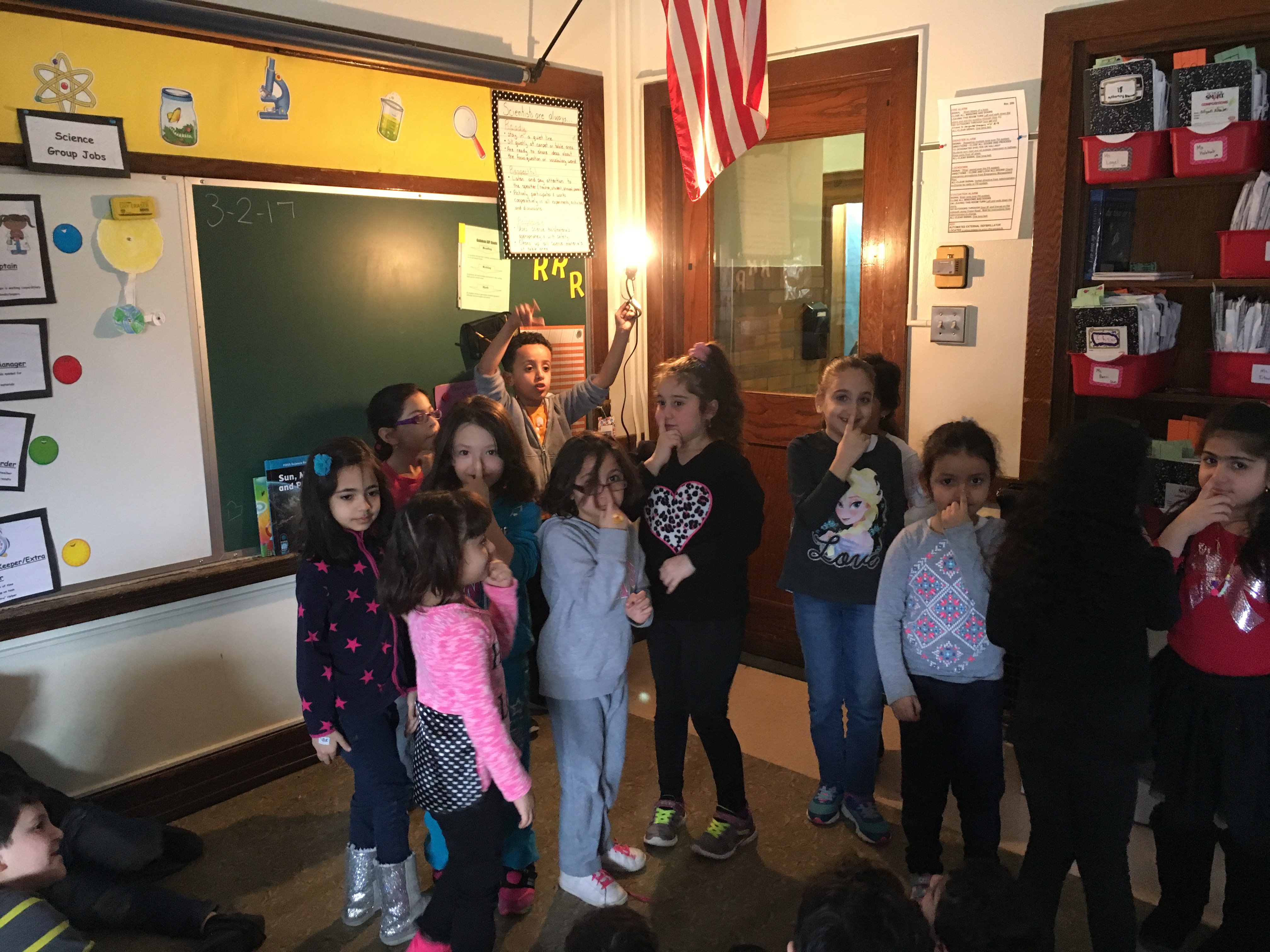
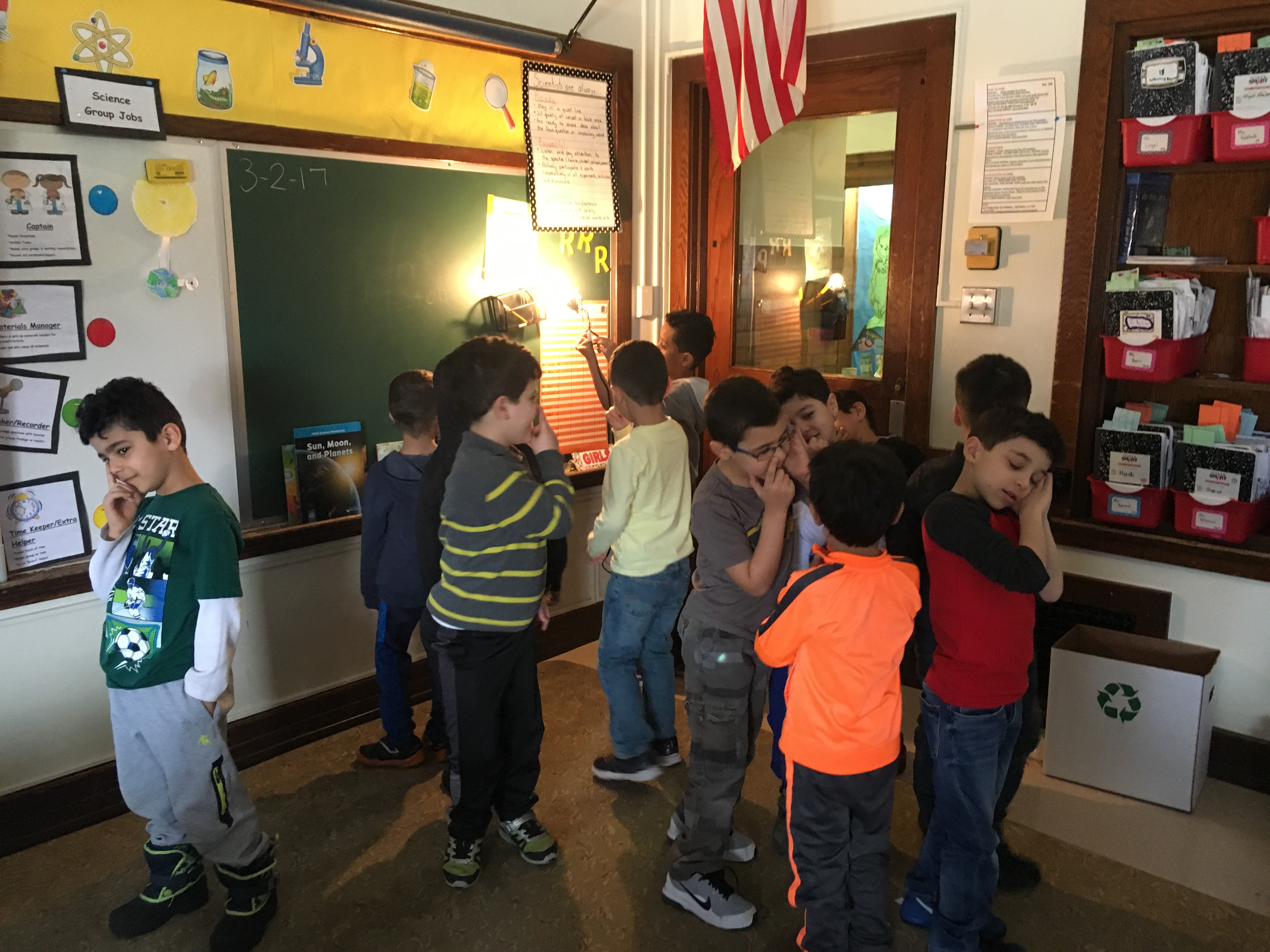
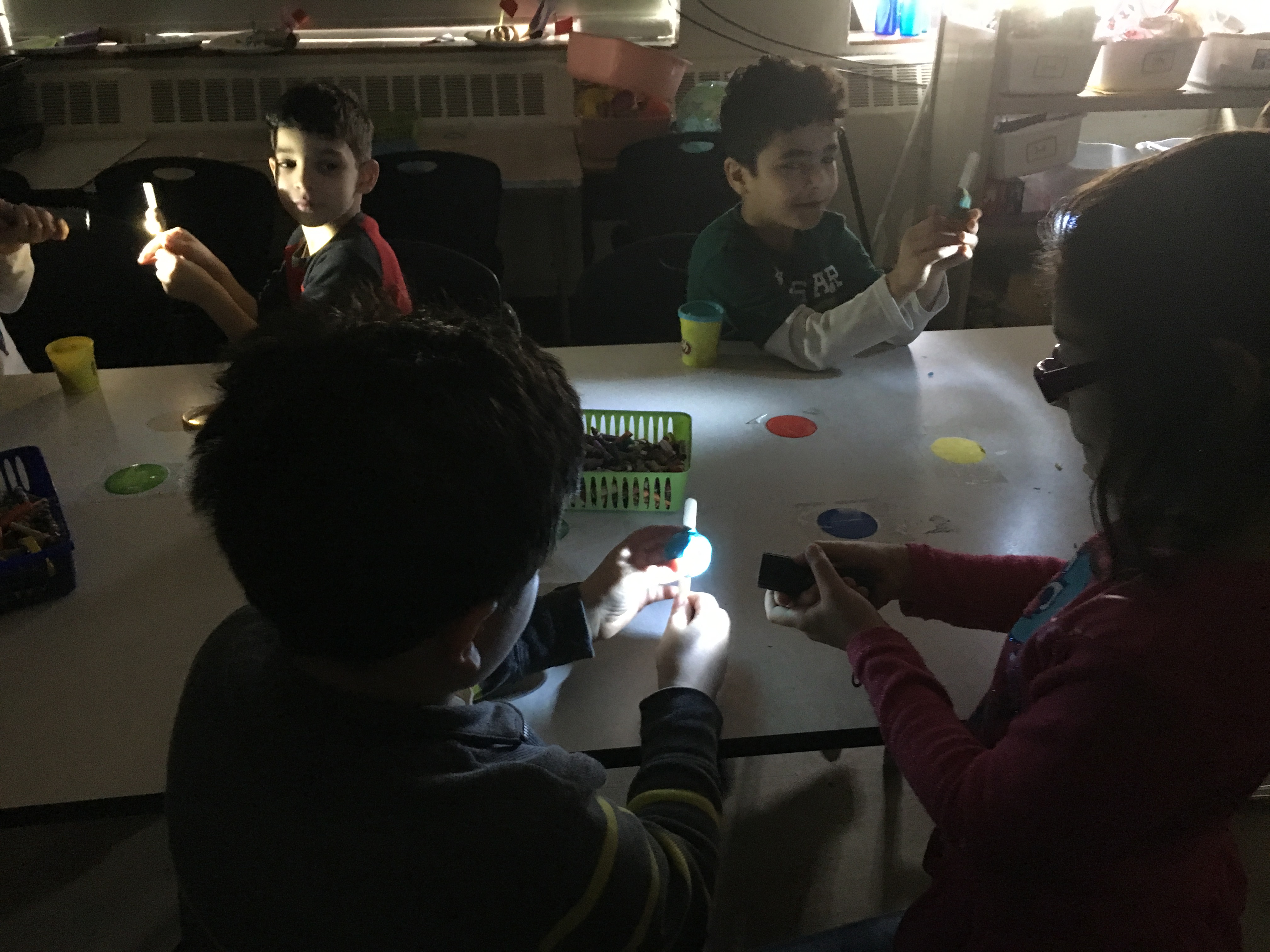
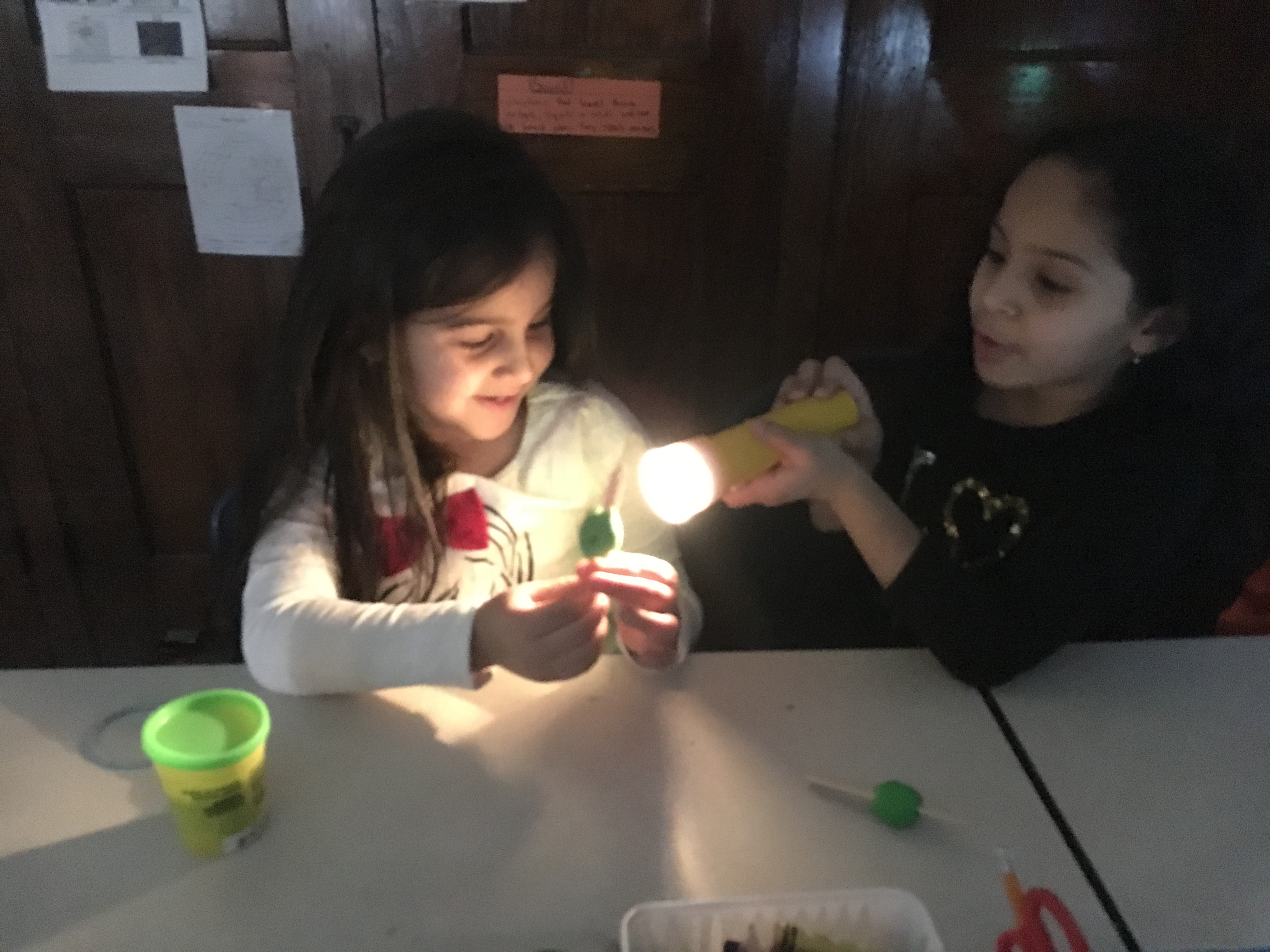
Content Objective: I can demonstrate comprehension of why we have day and night by creating a model of the Earth rotating using a ball of play-dough with a straw/stick through it and a flashlight.
Language Objective: I can write and draw to explain why we have day and night.
*Draw and Label Earth and Sun, show which side has day and which is in night, use arrow to show rotation(spin).
Vocabulary: Sun, Earth, Orbit, rotate, Spin, day, night, 24 hours
E.ES.01.11 Identify the sun as the source of warmth for the Earth.
E.SS1-1 Use observations of the sun to describe predictable patterns of motion.(Compare patterns in the Earth’s rotation to observations of daily changes in the sun’s position.)
Second Grade
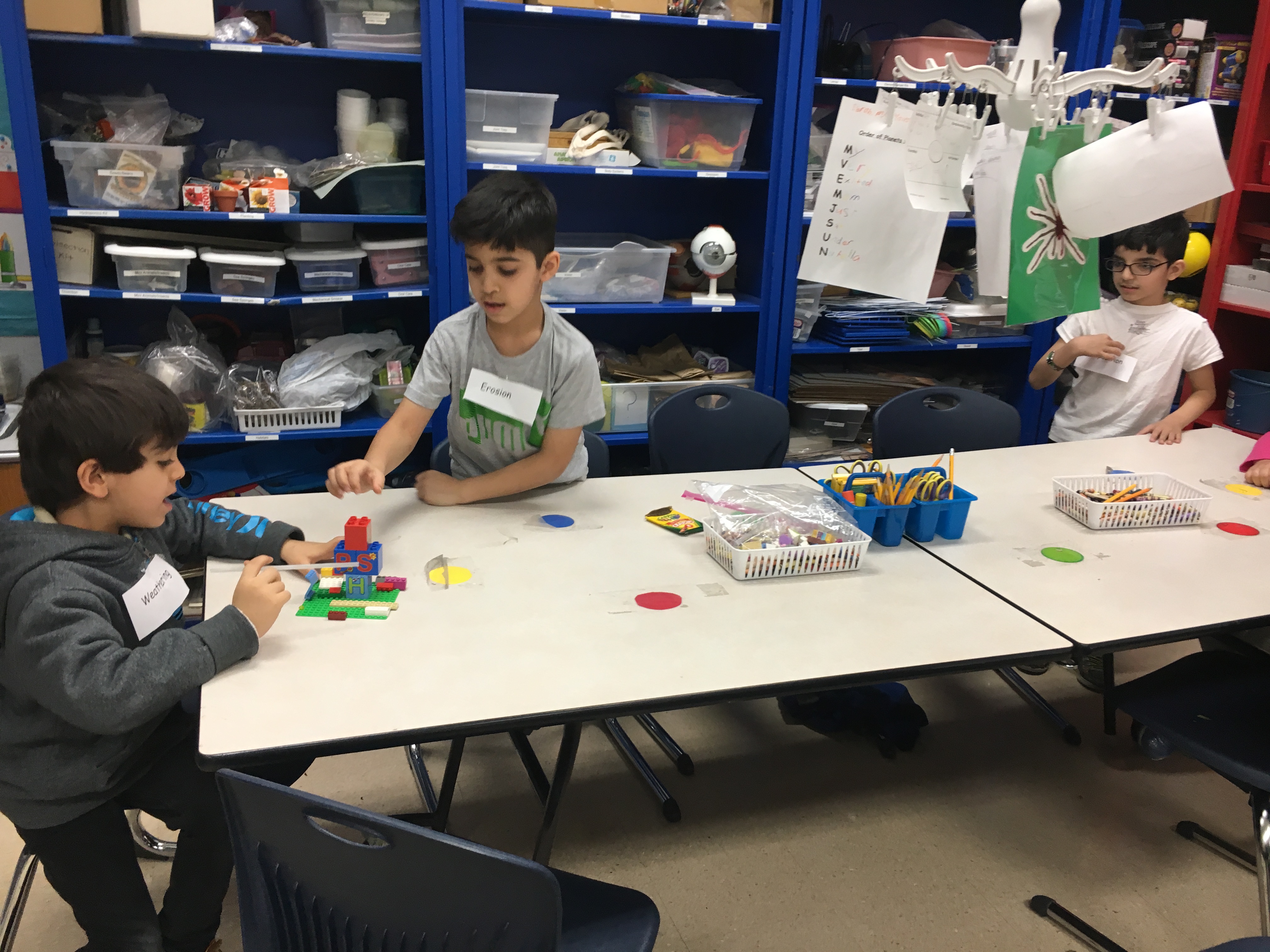
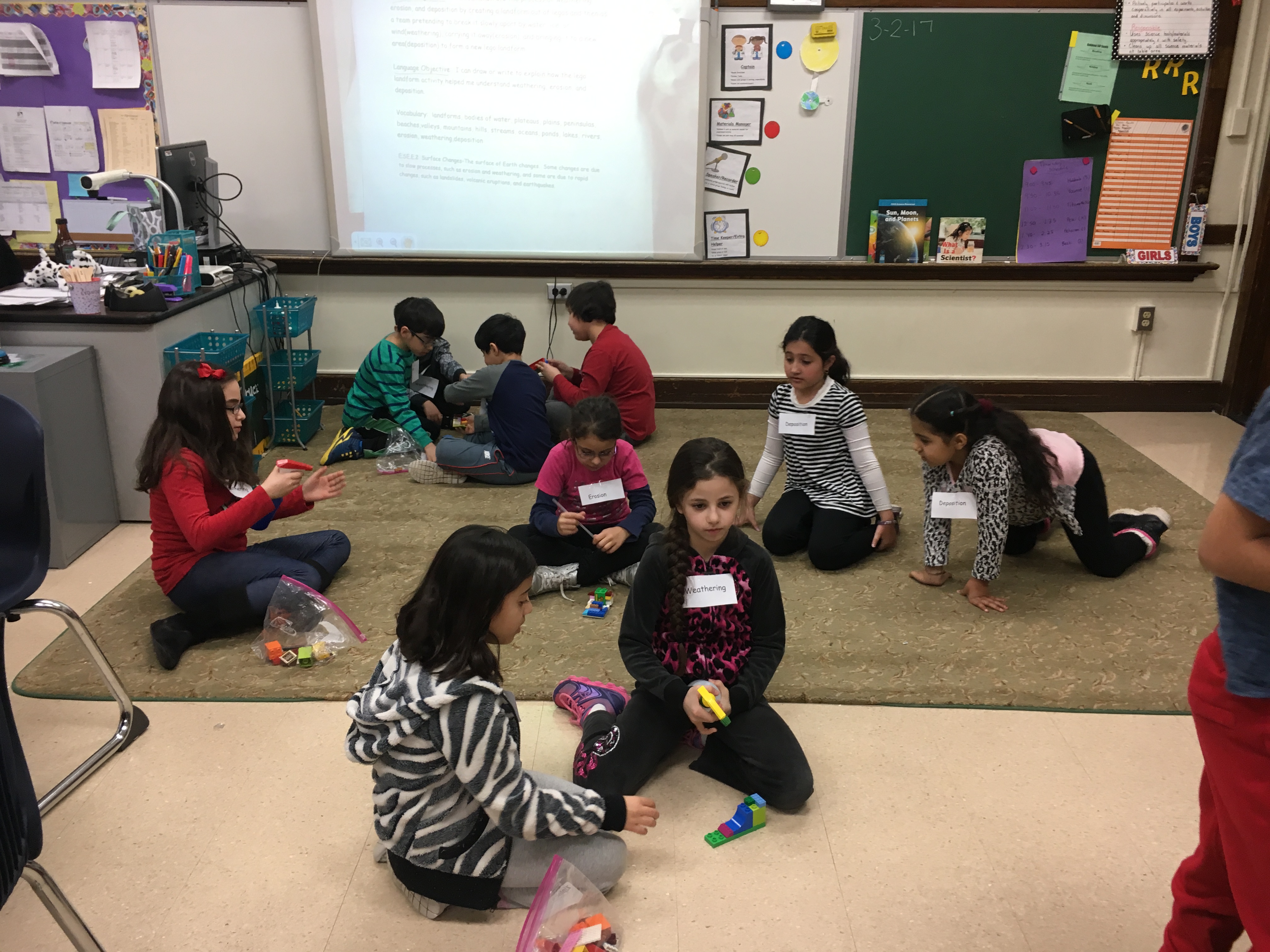
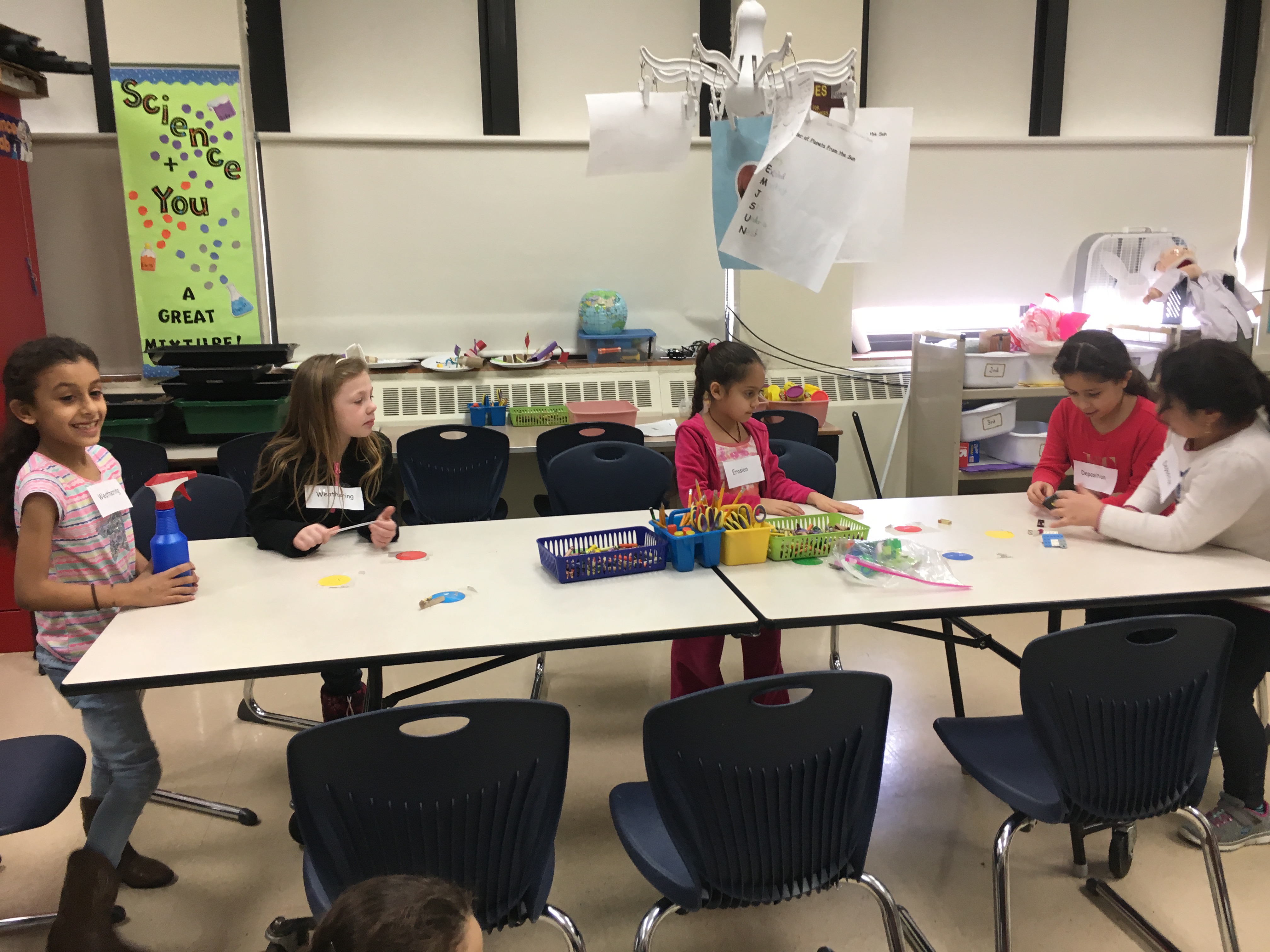
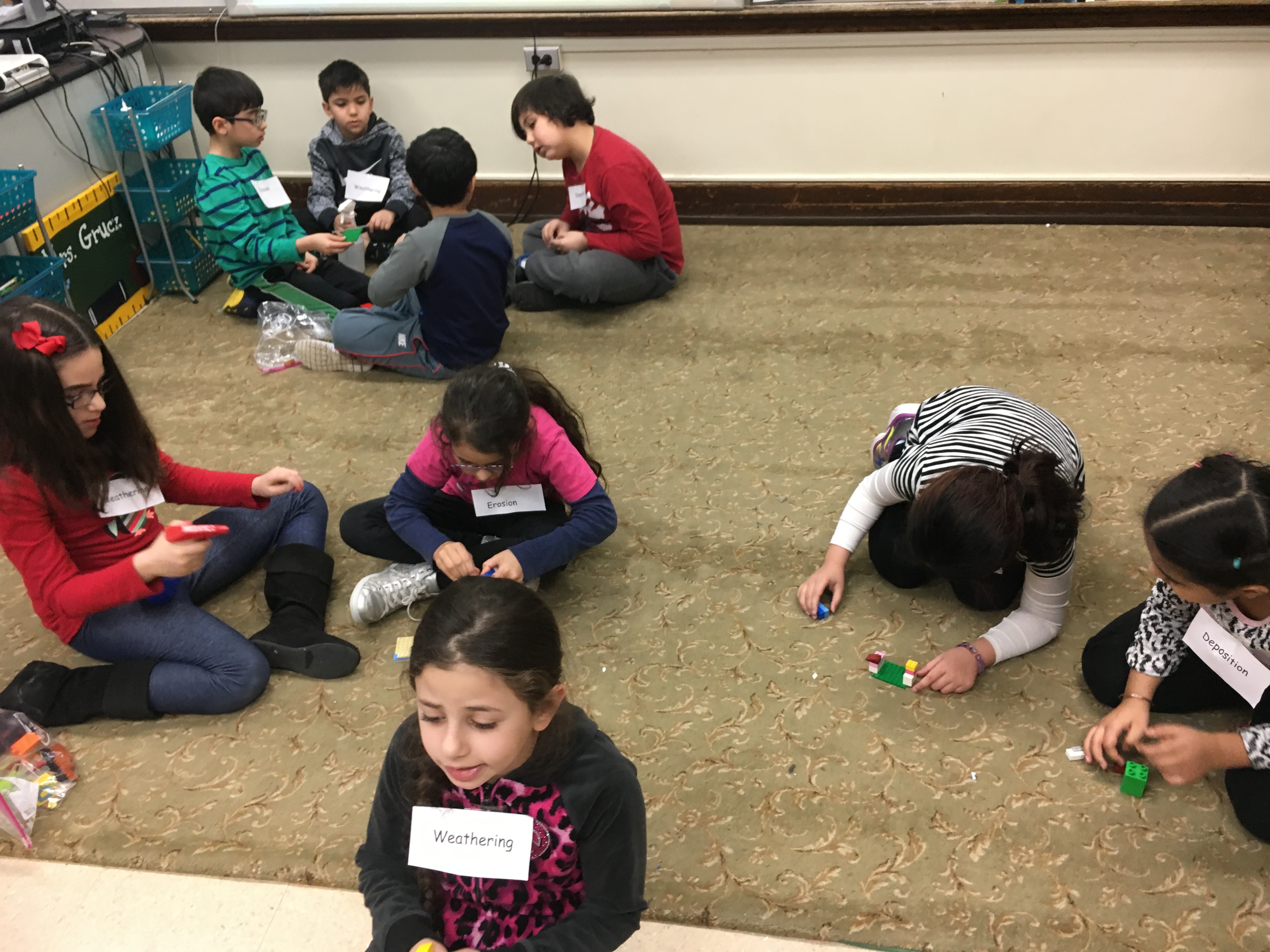
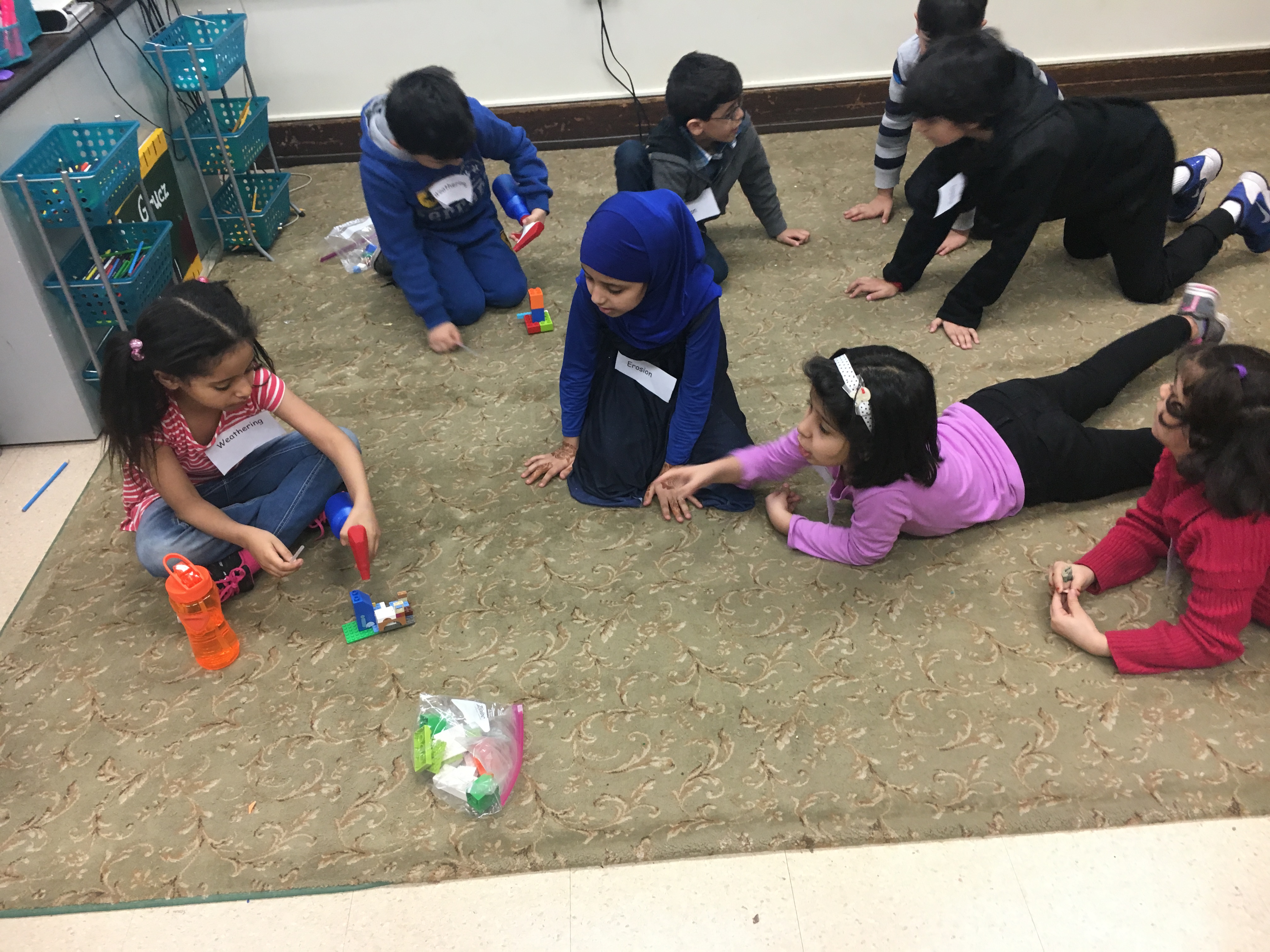
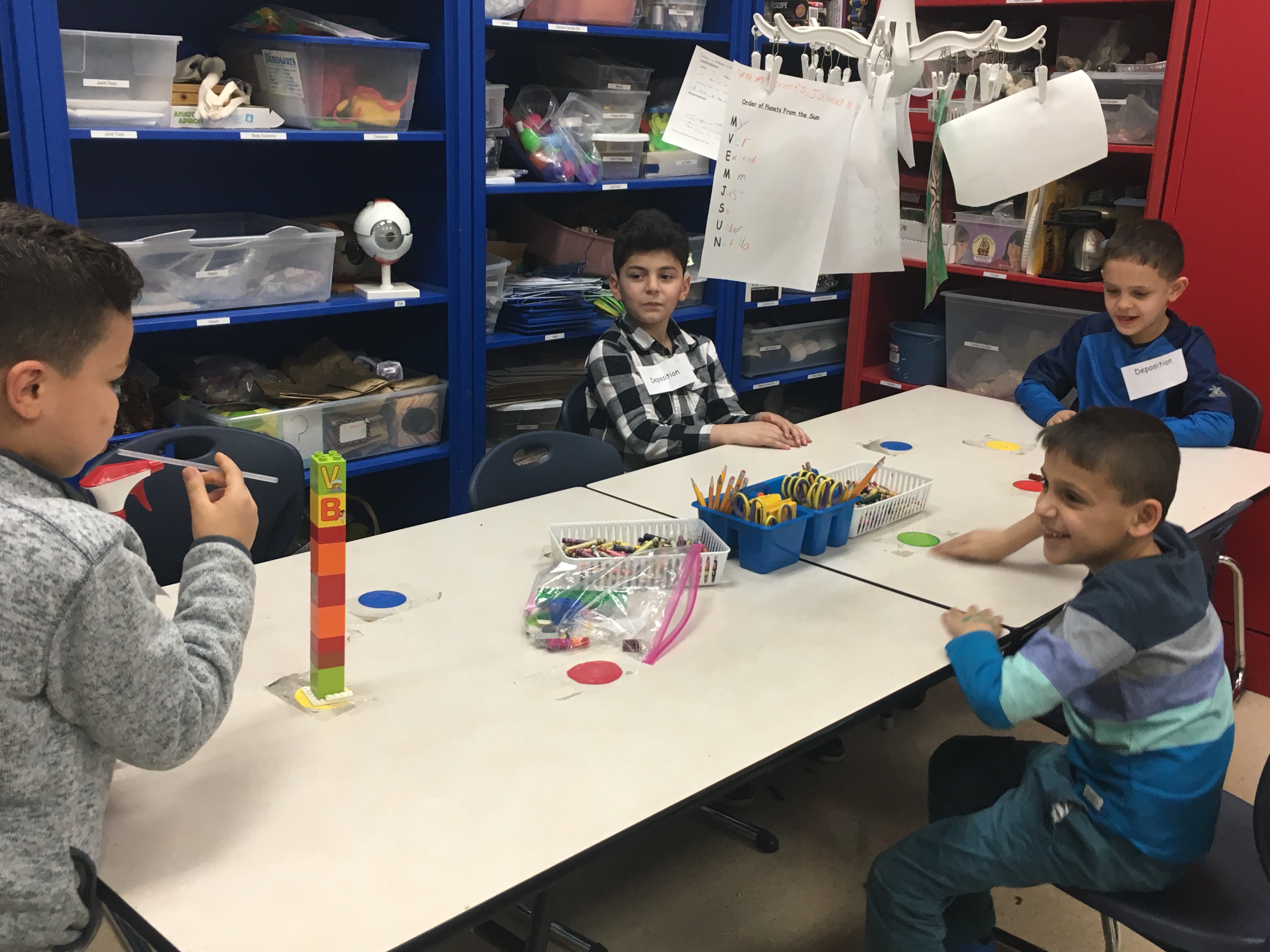
Content Objective: I can demonstrate the process of weathering, erosion, and deposition by creating a landform out of legos and then as a team pretending to break it slowly apart by water, ice, or wind(weathering), carrying it away(erosion), and bringing it to a new area(deposition) to form a new lego landform.
Language Objective: I can draw or write to explain how the lego landform activity helped me understand weathering, erosion, and deposition.
Vocabulary: landforms, bodies of water, plateaus, plains, peninsulas, beaches, valleys, mountains, hills, streams, oceans, ponds, lakes, rivers, erosion, weathering, deposition
E.SE.E.2 Surface Changes-The surface of Earth changes. Some changes are due to slow processes, such as erosion and weathering, and some are due to rapid changes, such as landslides, volcanic eruptions, and earthquakes.
Third Grade (Continuation from last week- Game Day!)
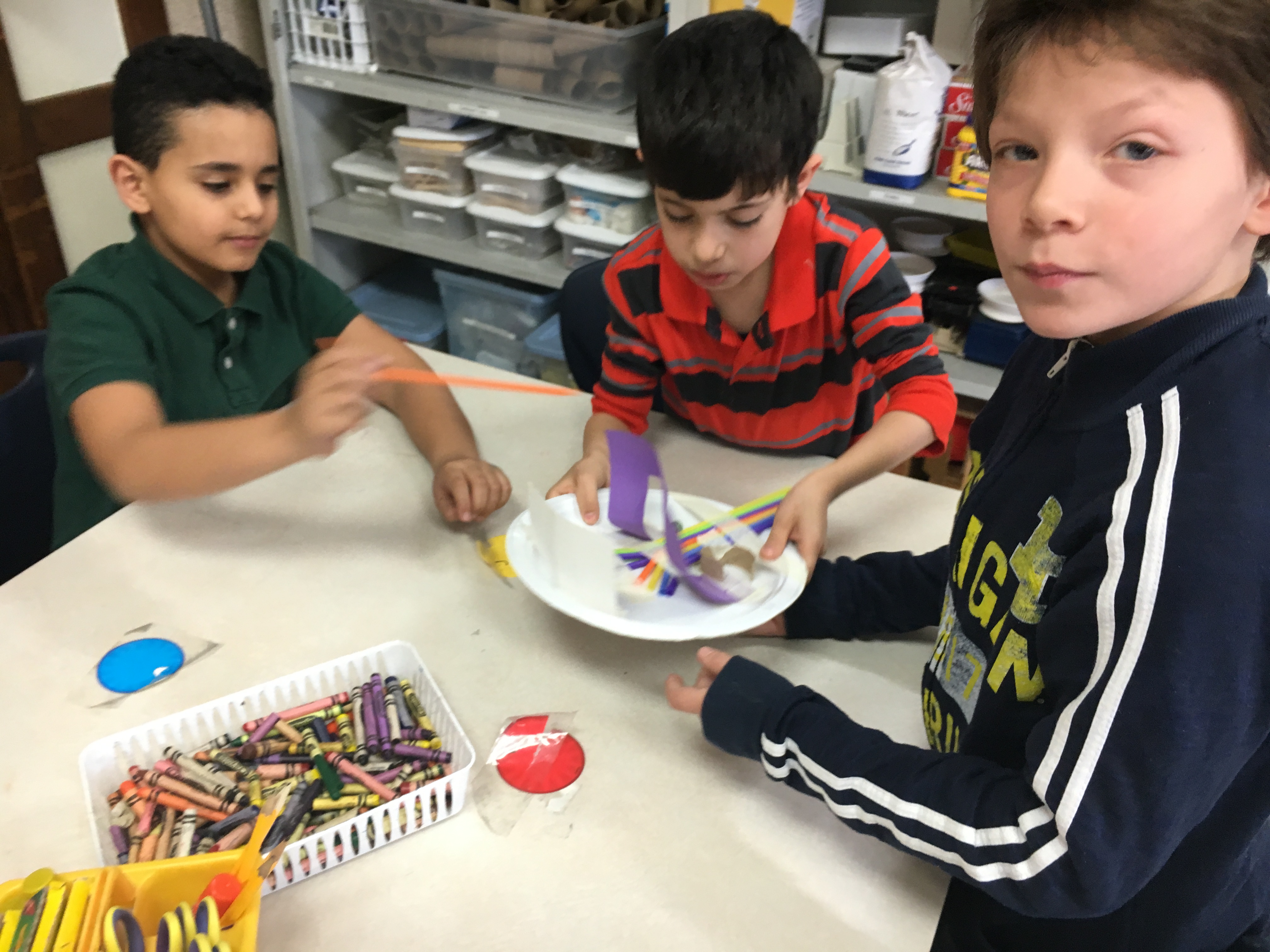
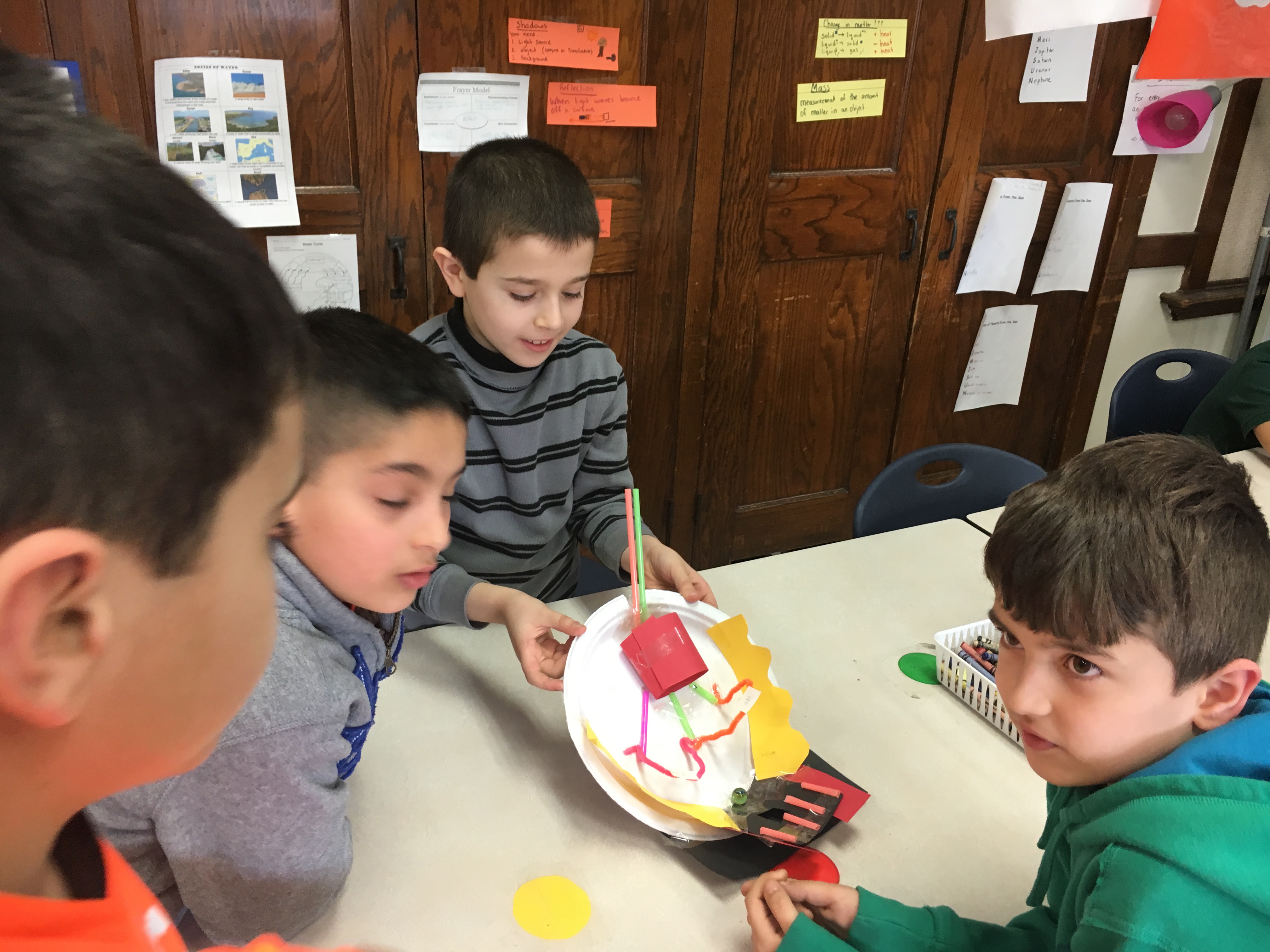
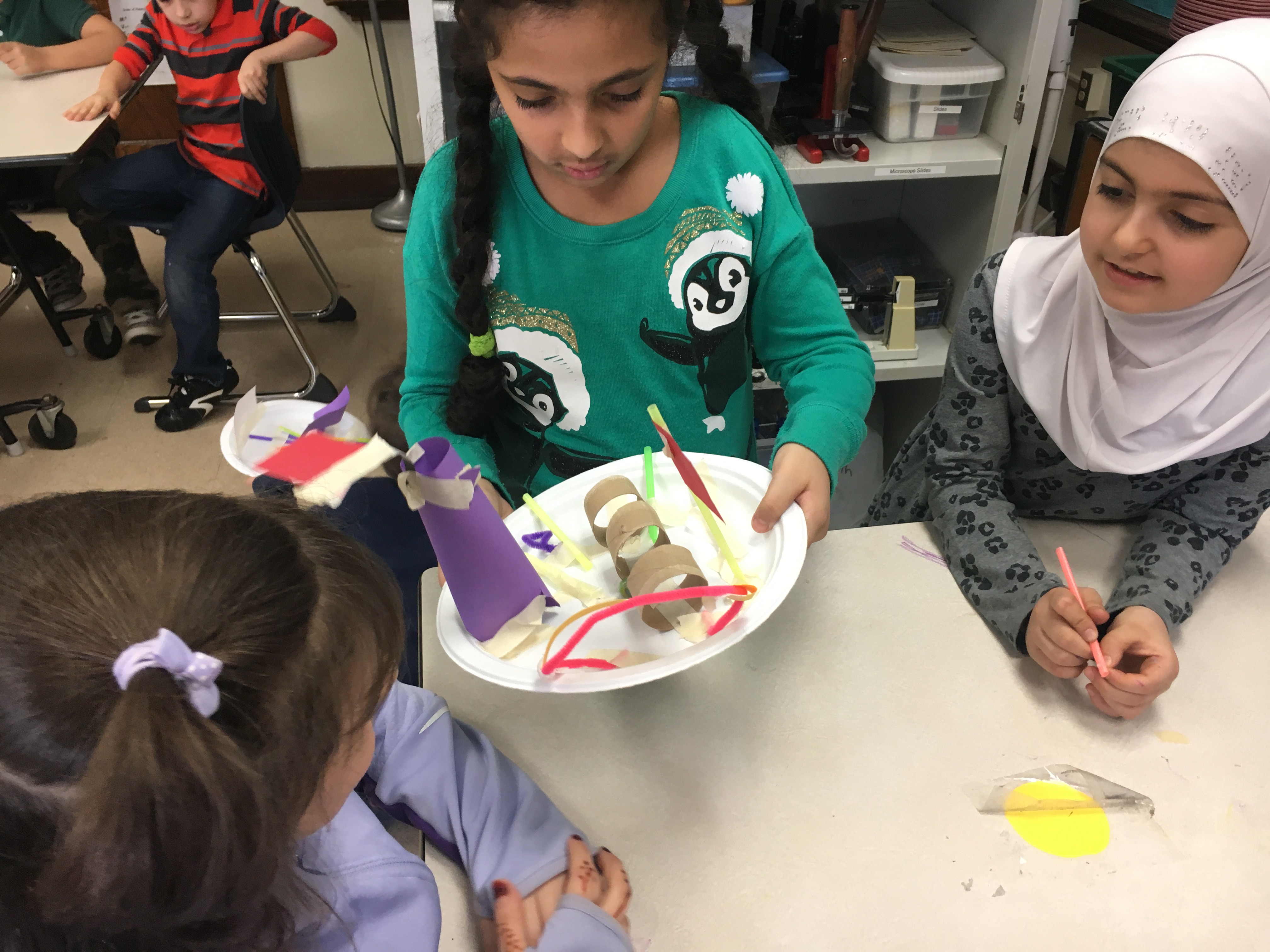
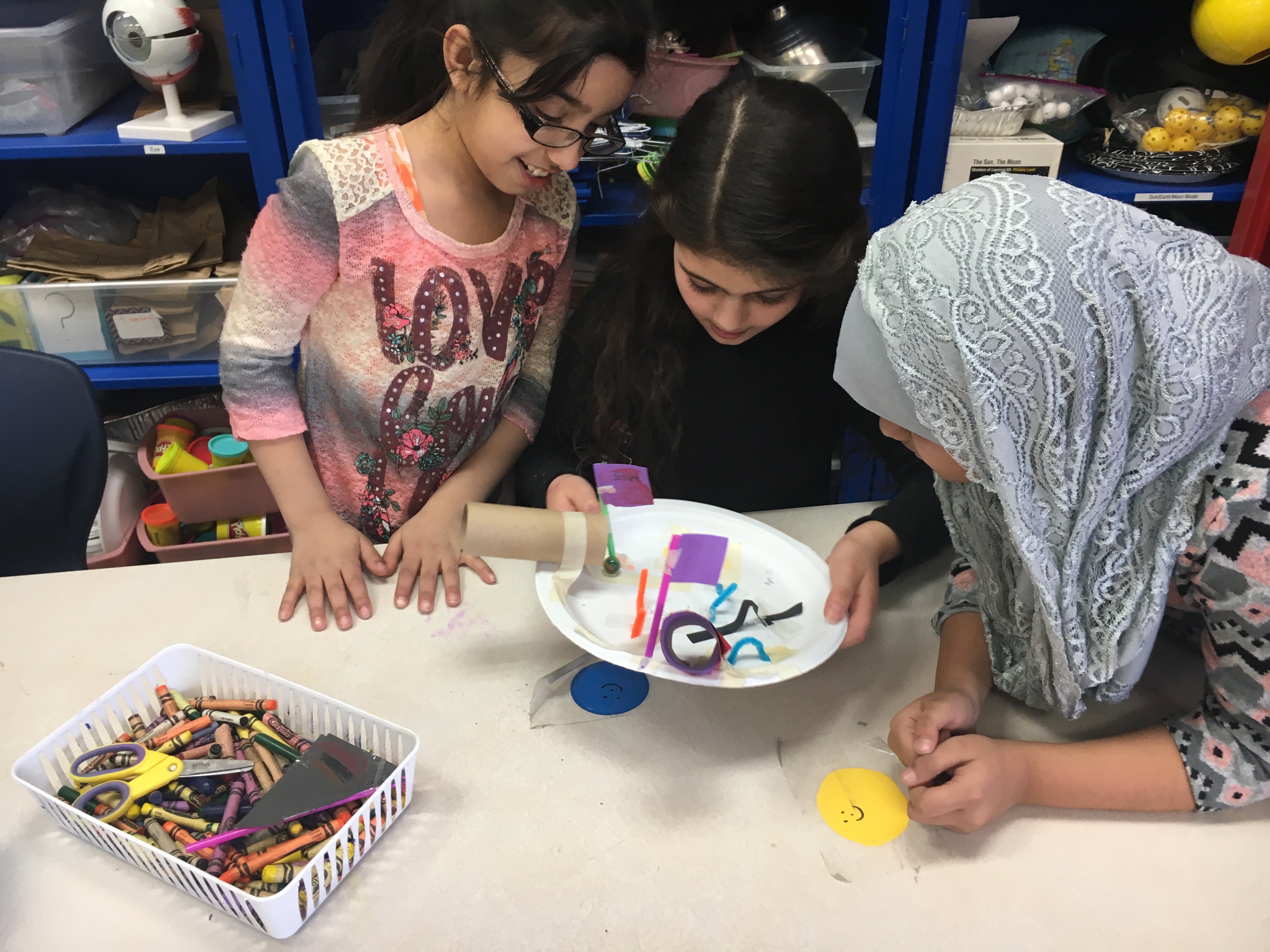
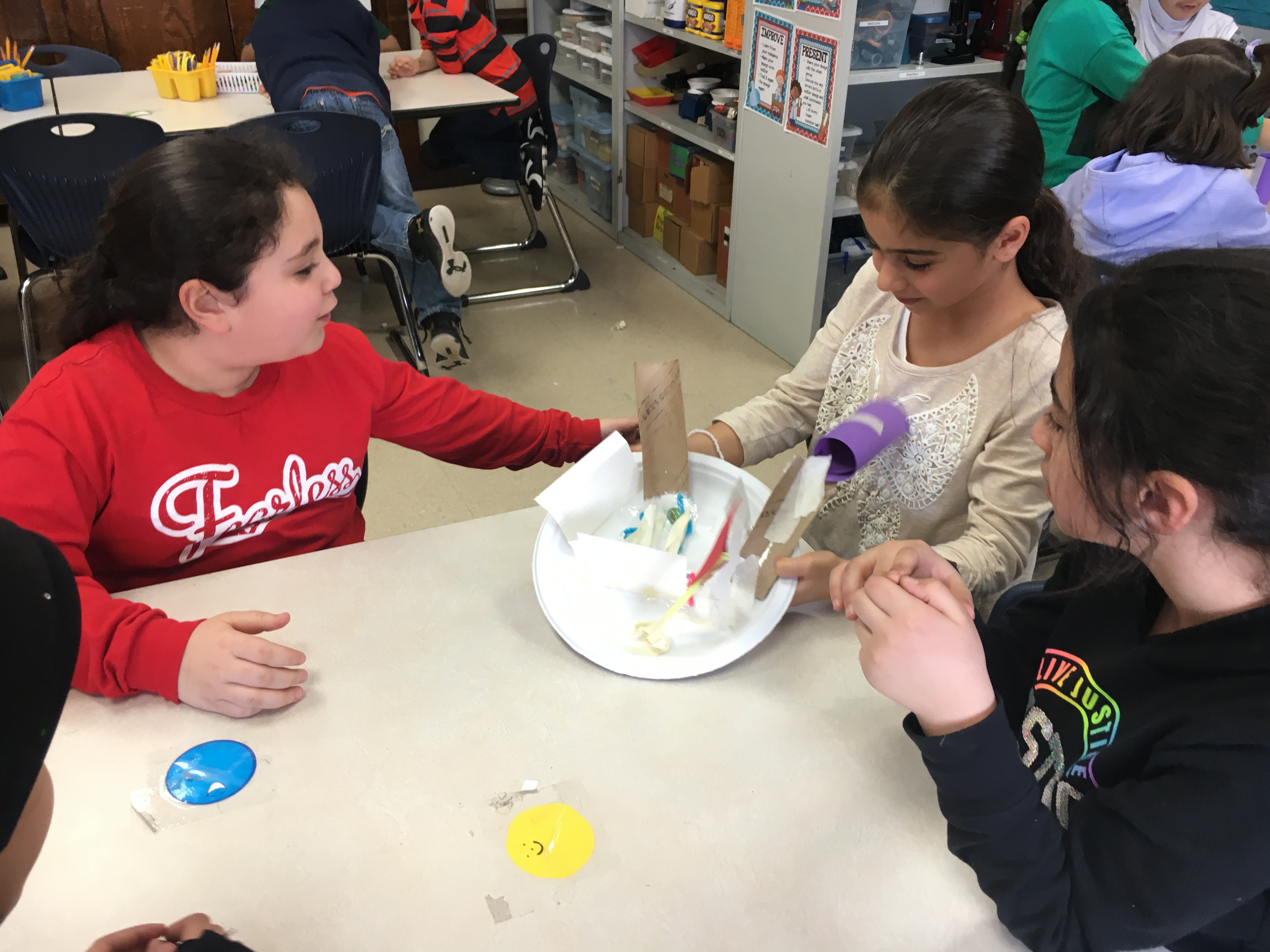
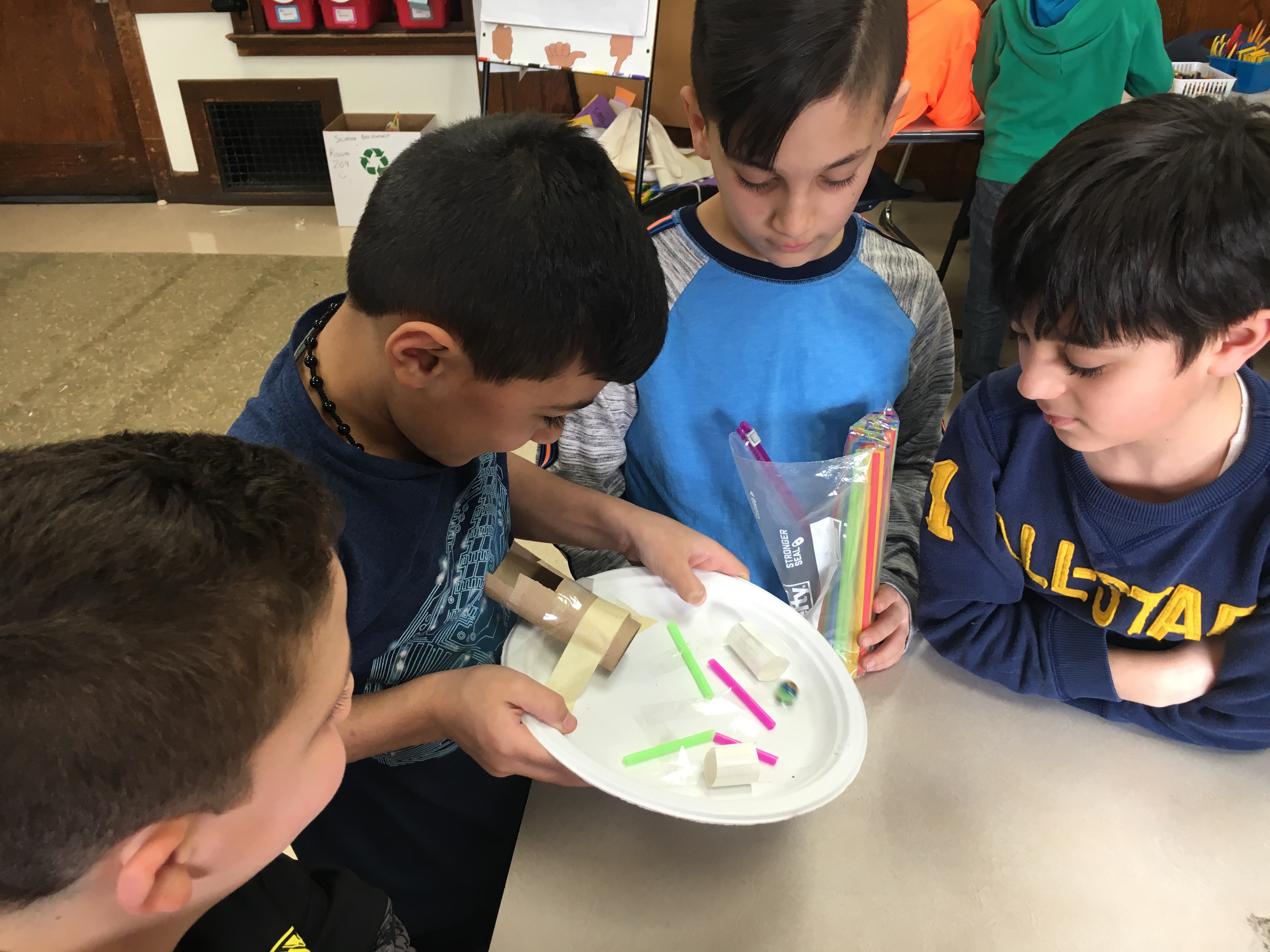
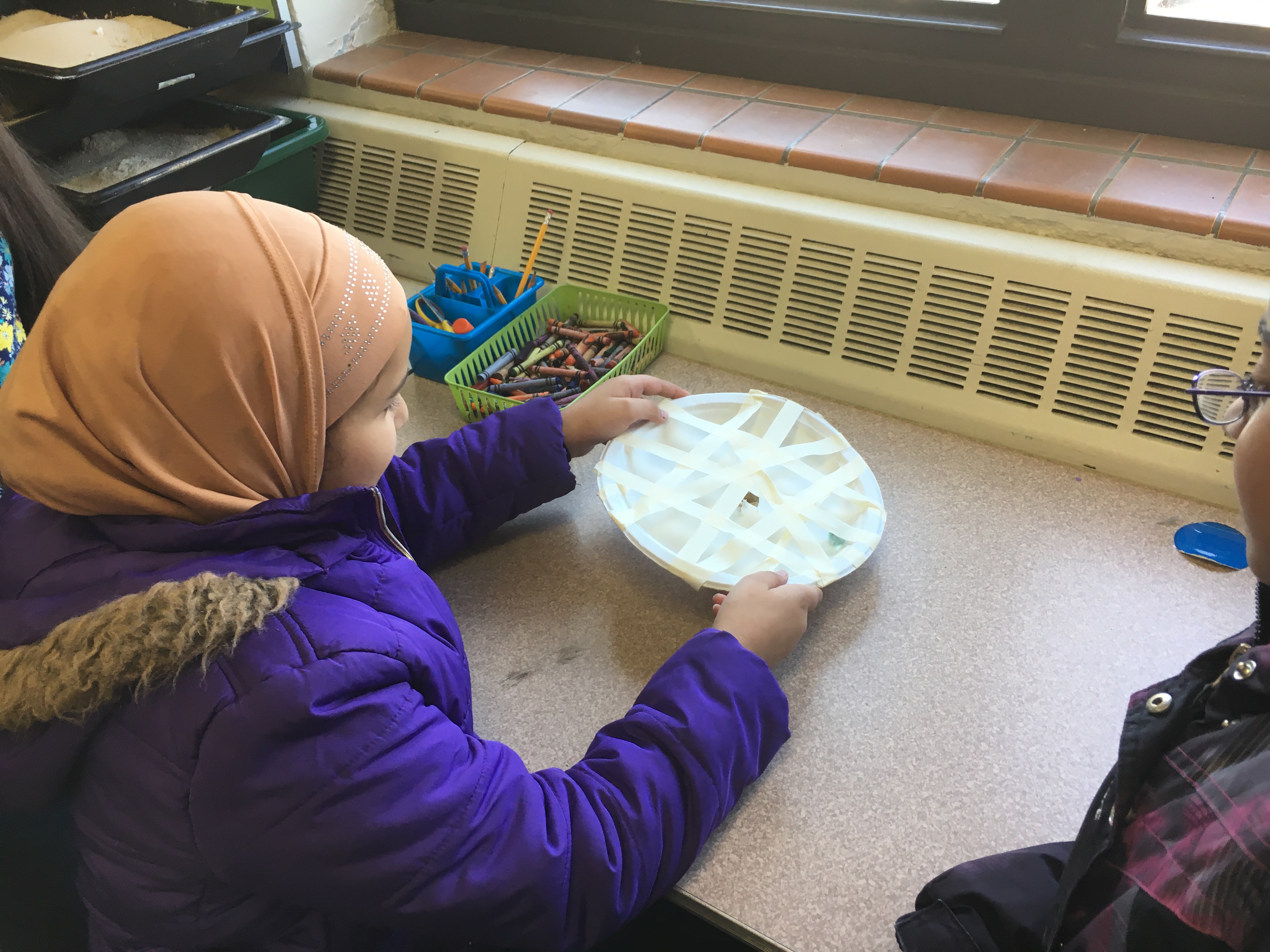
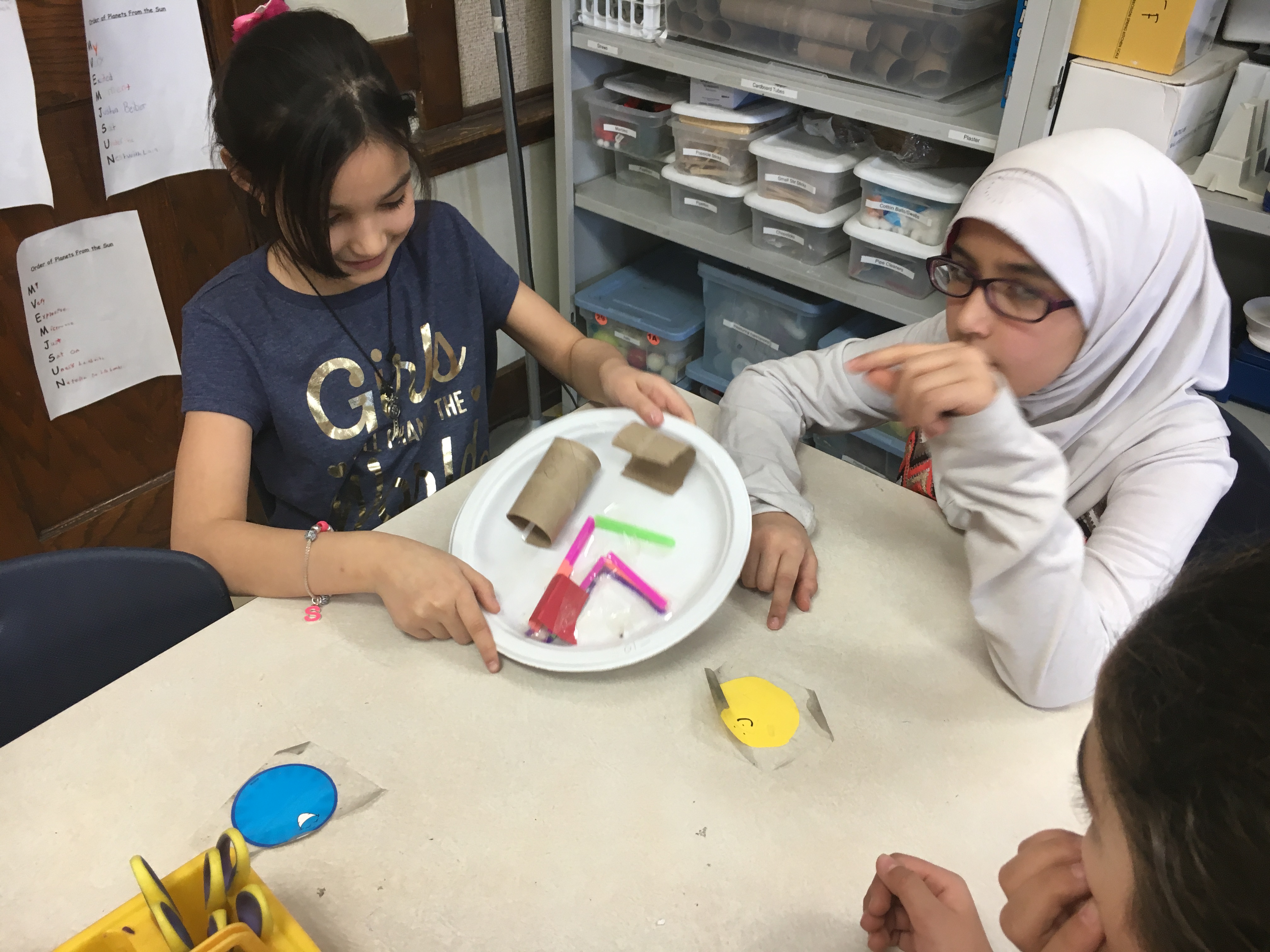
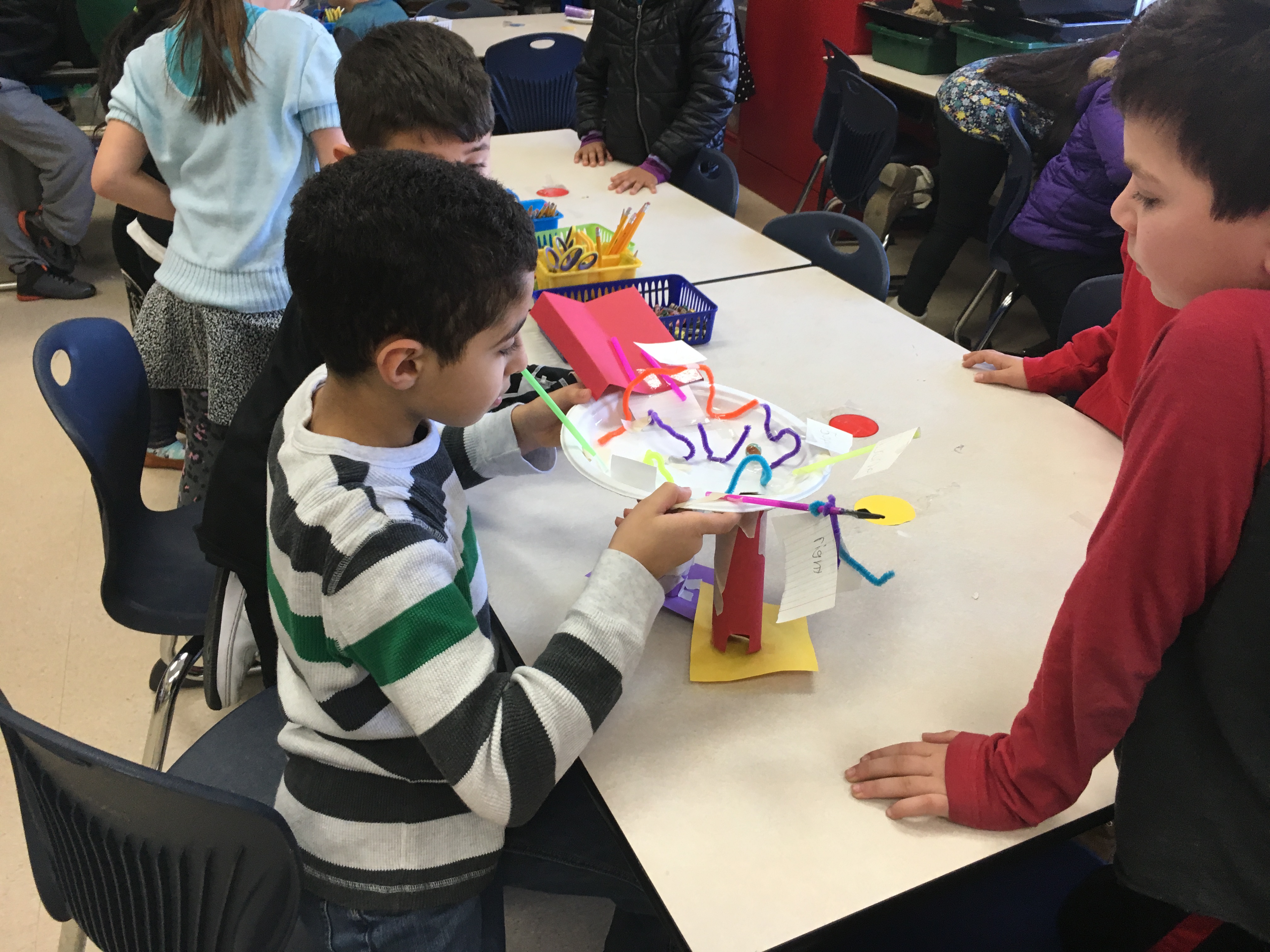
“STEM Activity” -Paper Plate Marble Maze Game
Content Objective: I can demonstrate application of the Engineering process by creating a paper plate marble maze game(using materials only provided) following the engineering steps: Ask, Imagine, Plan, Create, Improve, and Present.
Language Objective: I can write and draw to explain my groups plan to create the marble maze and explain any improvements needed.
Vocabulary: STEM, Engineering, Ask, Plan, Create, Improve, Present
Fourth Grade
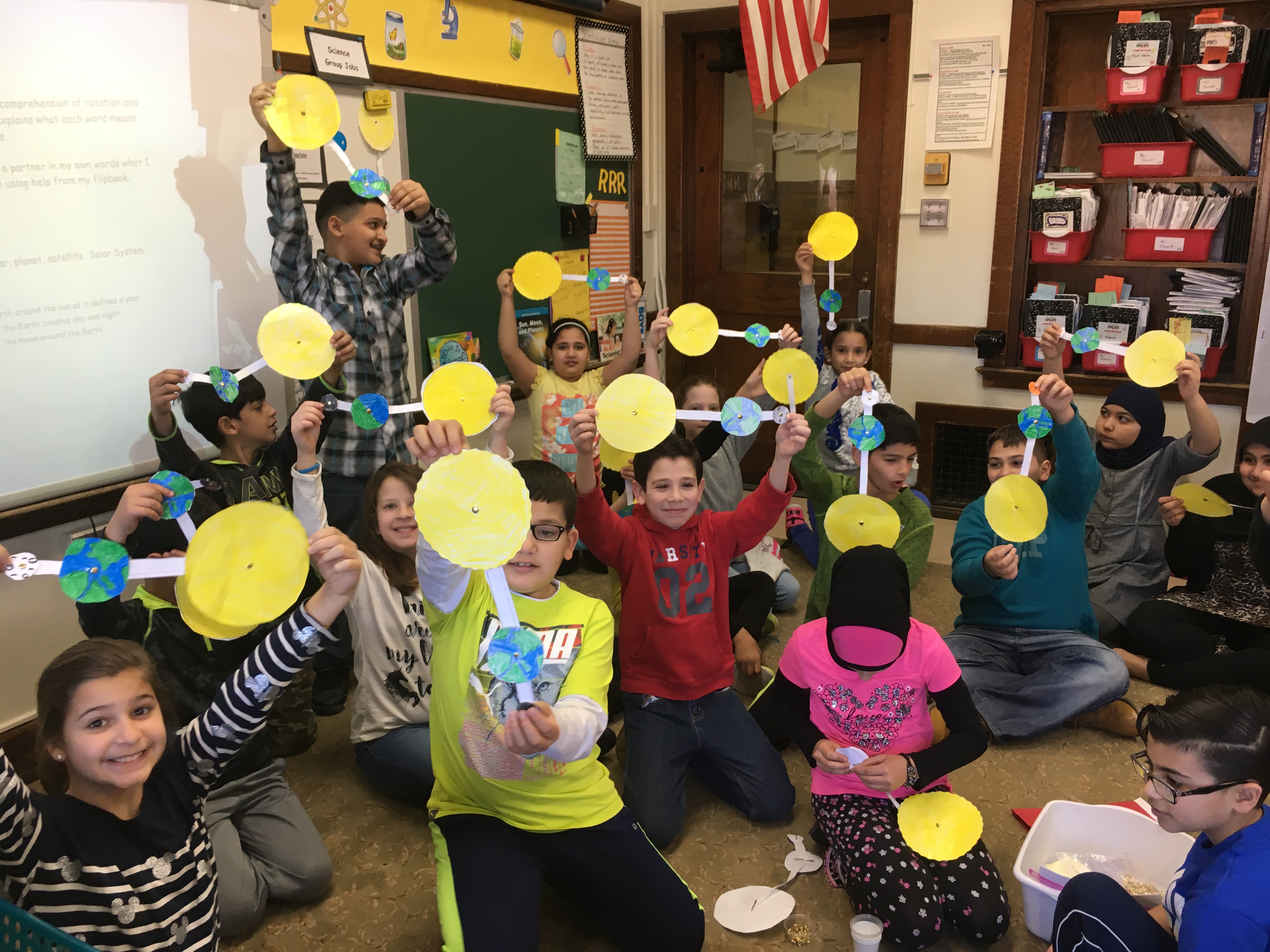
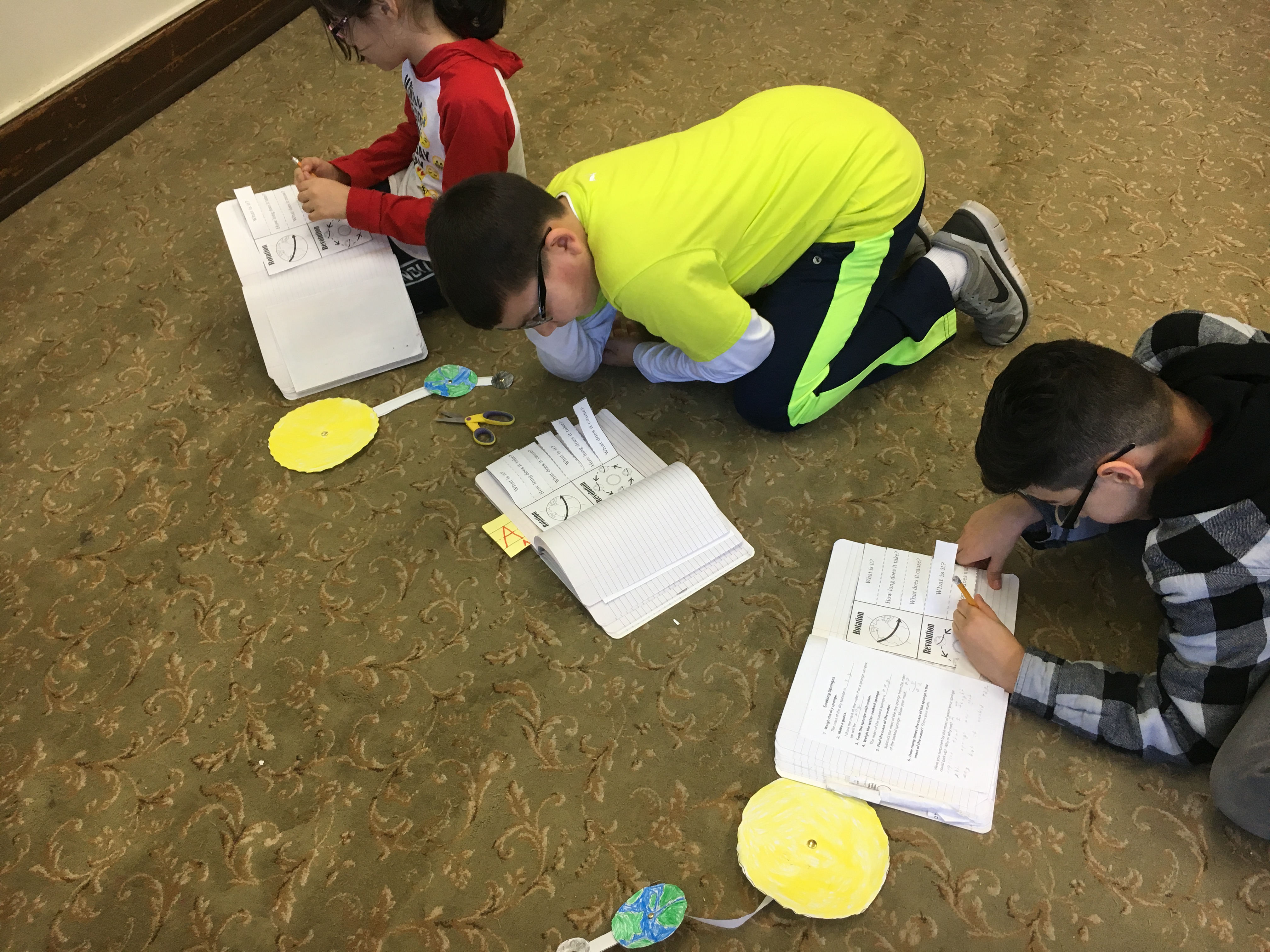
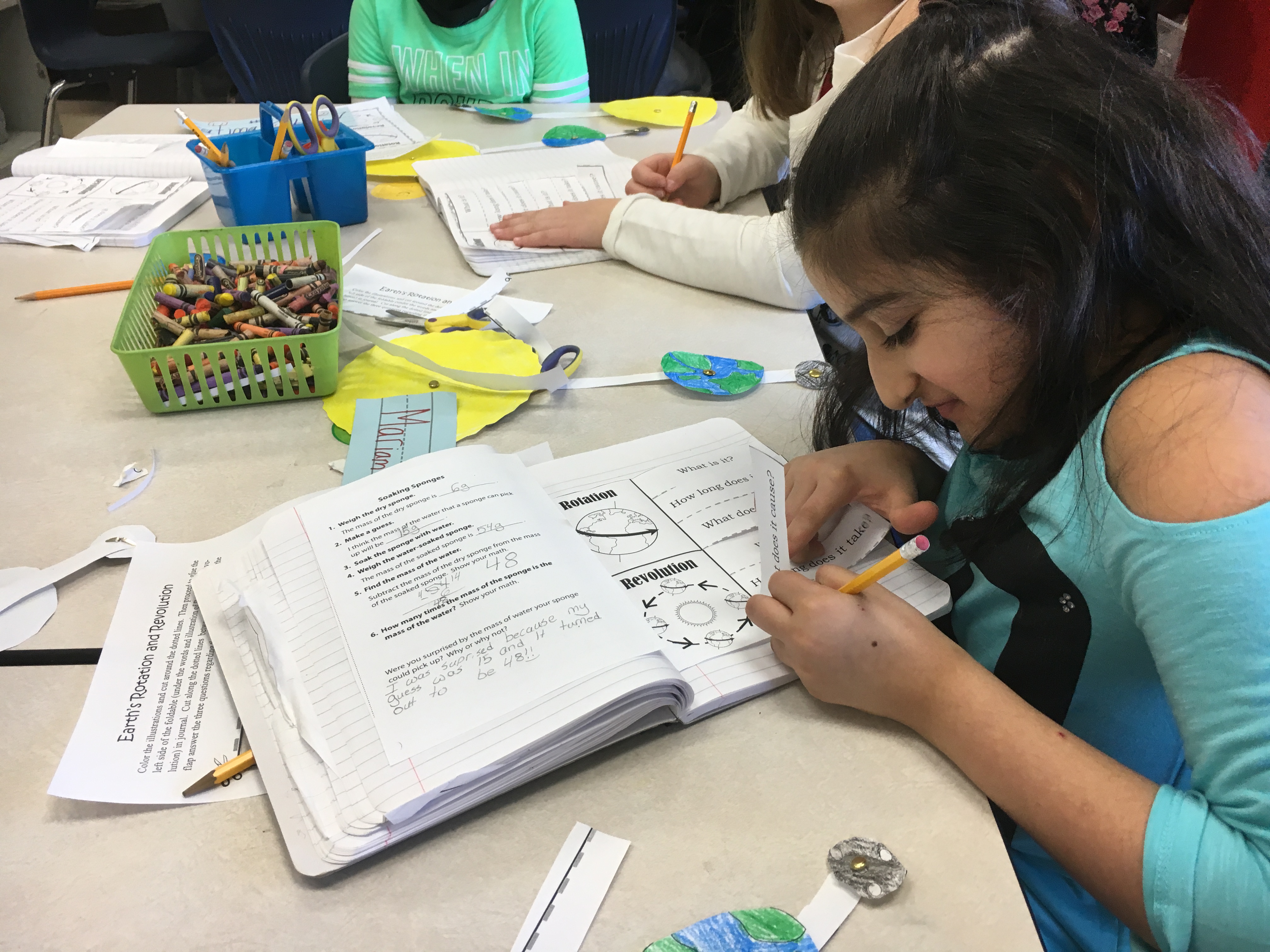
Content Objective: I can demonstrate comprehension of rotation and revolution by creating a flipbook that explains what each word means, how long each takes, and what it causes.
Language Objective: I can explain to a partner in my own words what I learned about rotation and revolution using help from my flipbook.
Vocabulary: Sun, Earth, Moon, star, planet, satellite, Solar System, rotate(spin), revolve, orbit
E.ST.04.21 Describe the orbit of Earth around the sun as it defines a year.
E.ST.04.22 Explain that the spin of the Earth creates day and night.
E.ST.04.23 Describe the motion of the moon around the Earth.
Fifth Grade- (Continuation from last week- Challenge Day!)
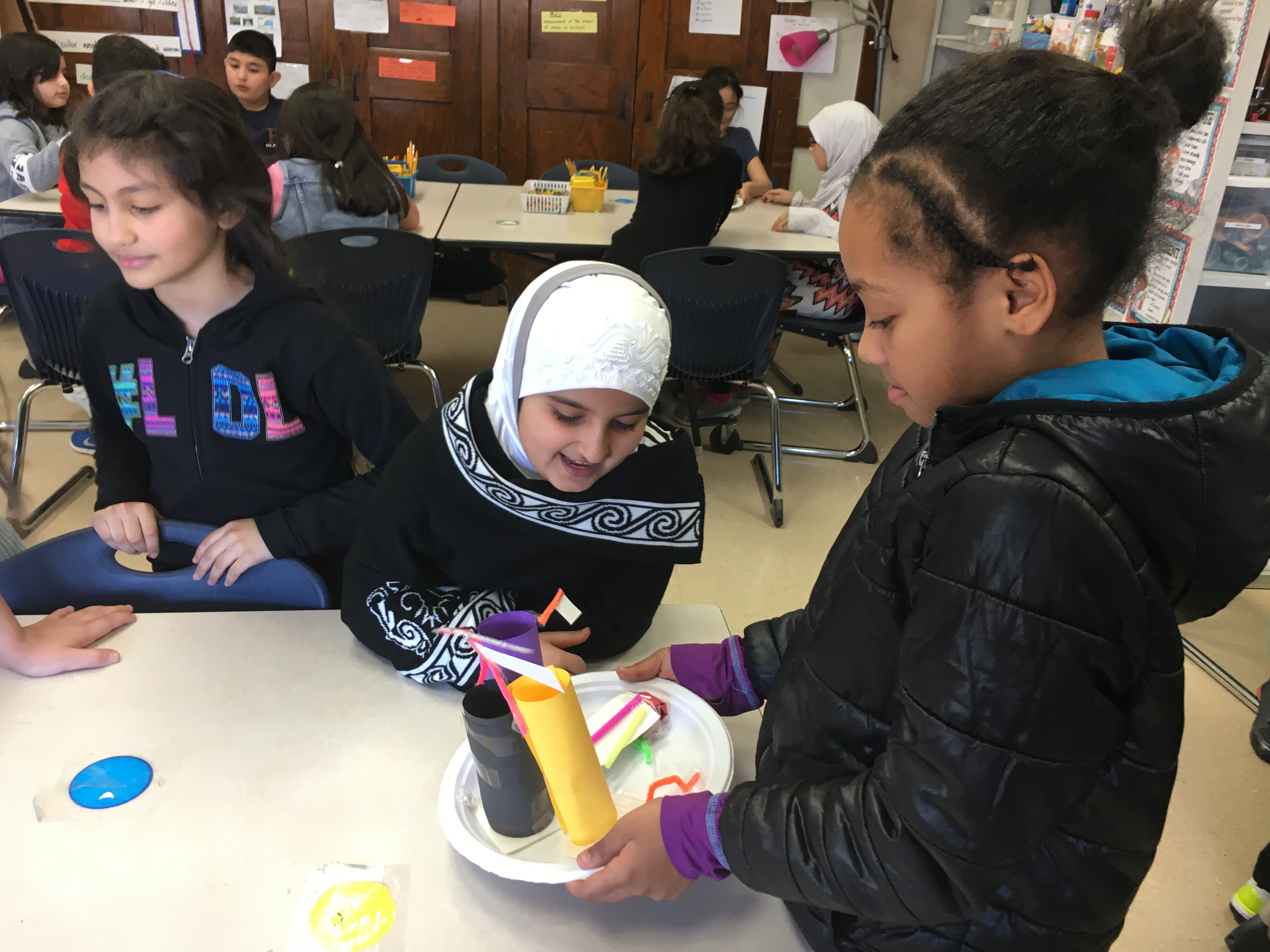
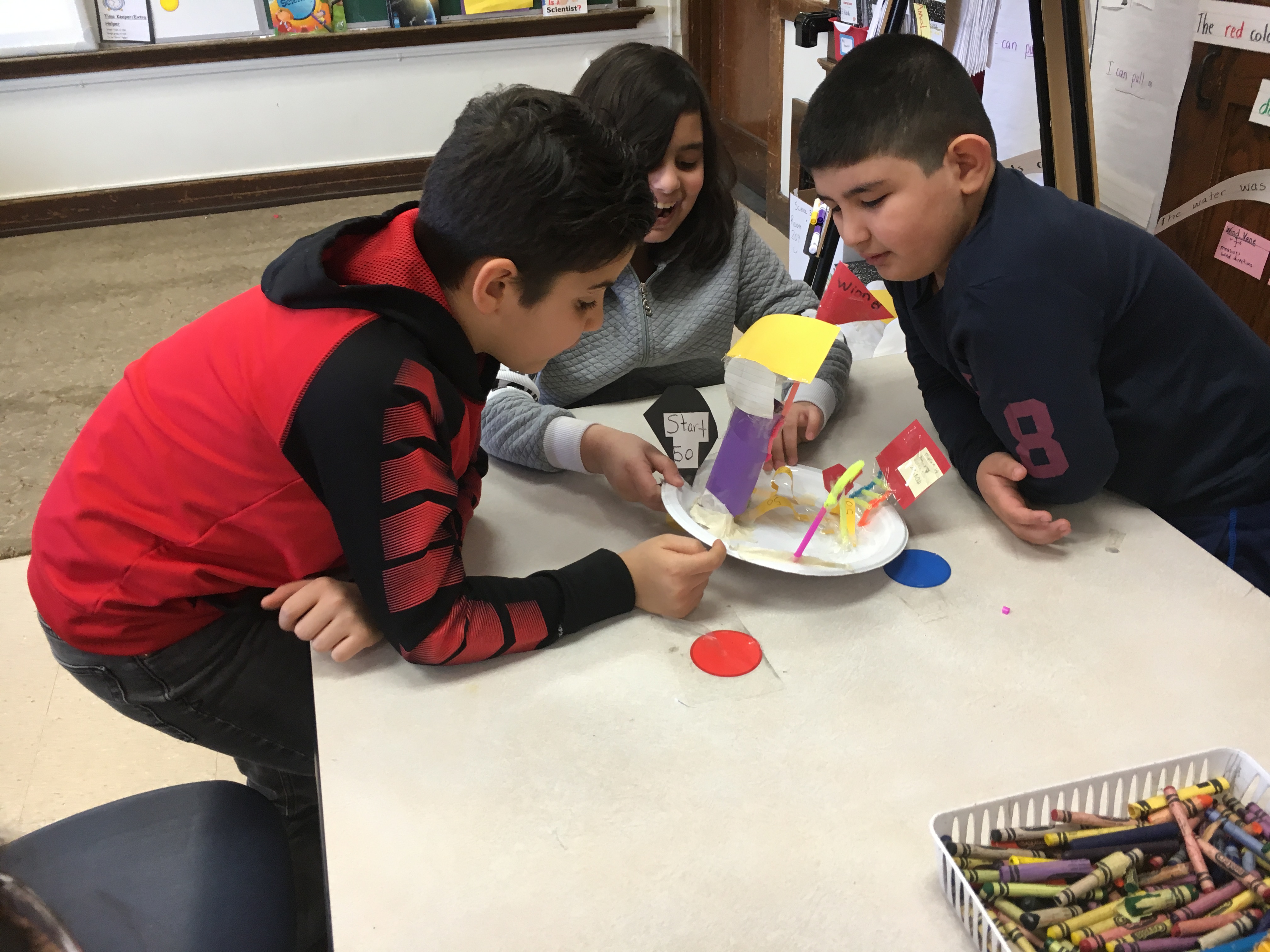
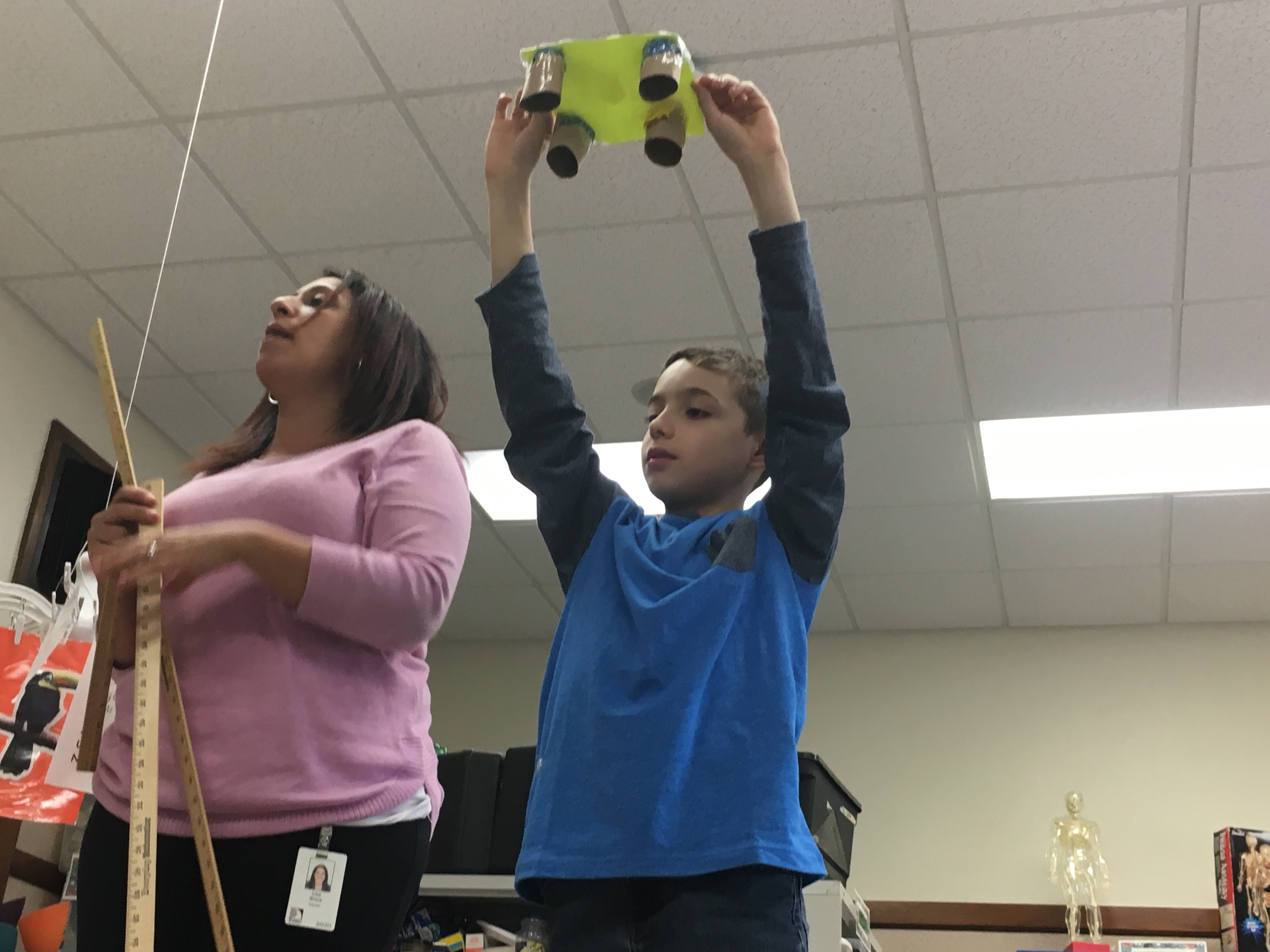
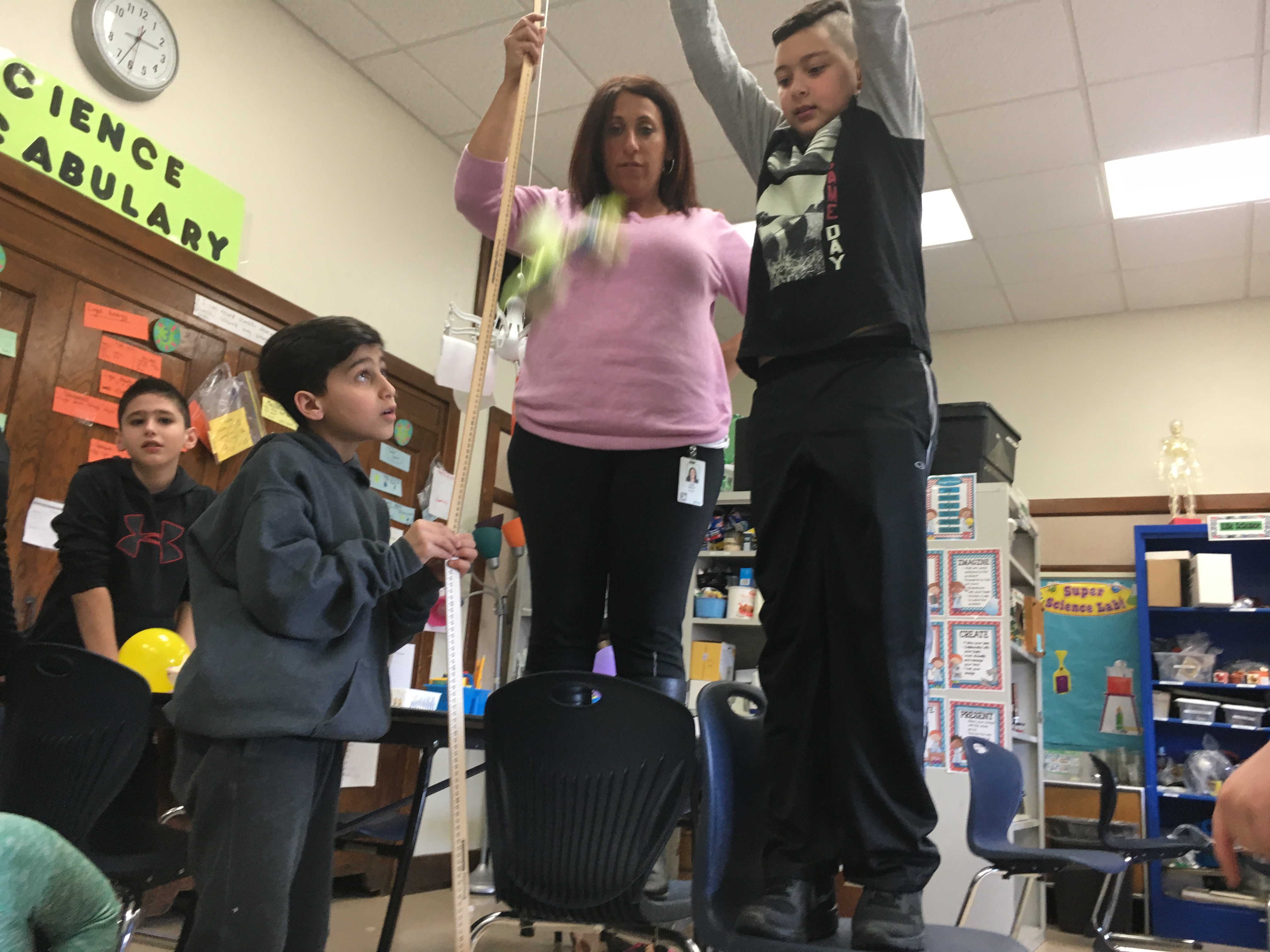
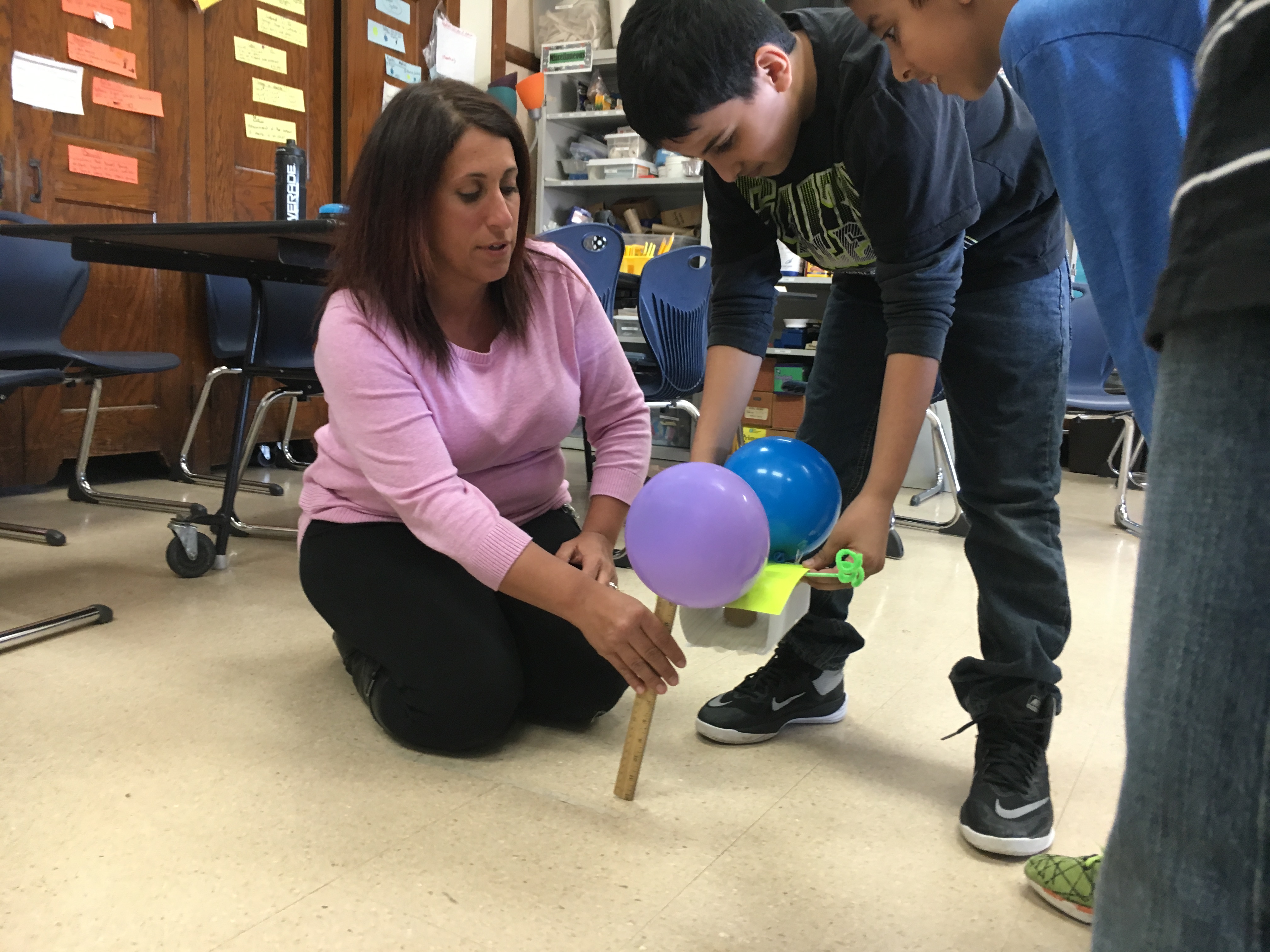
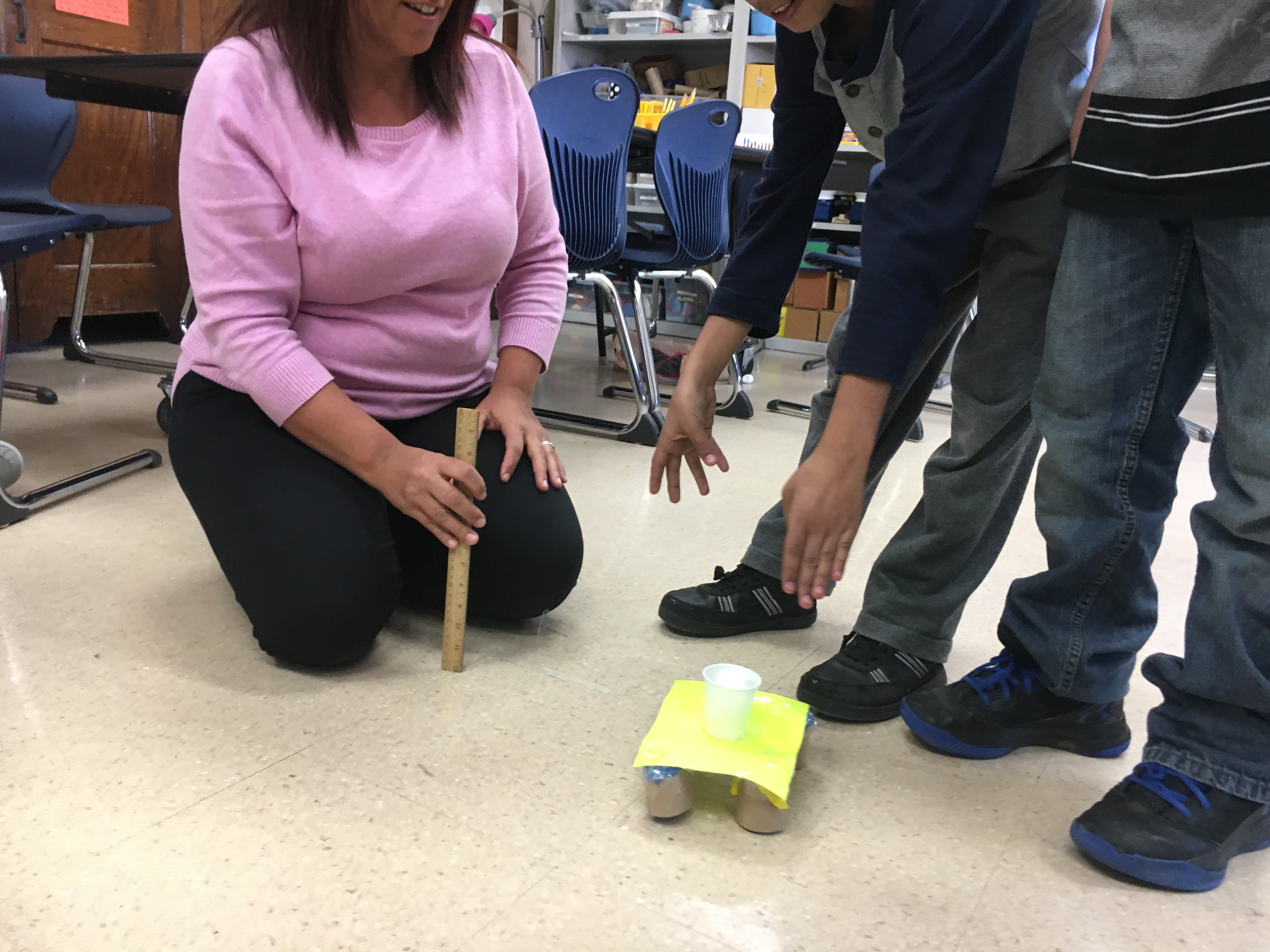
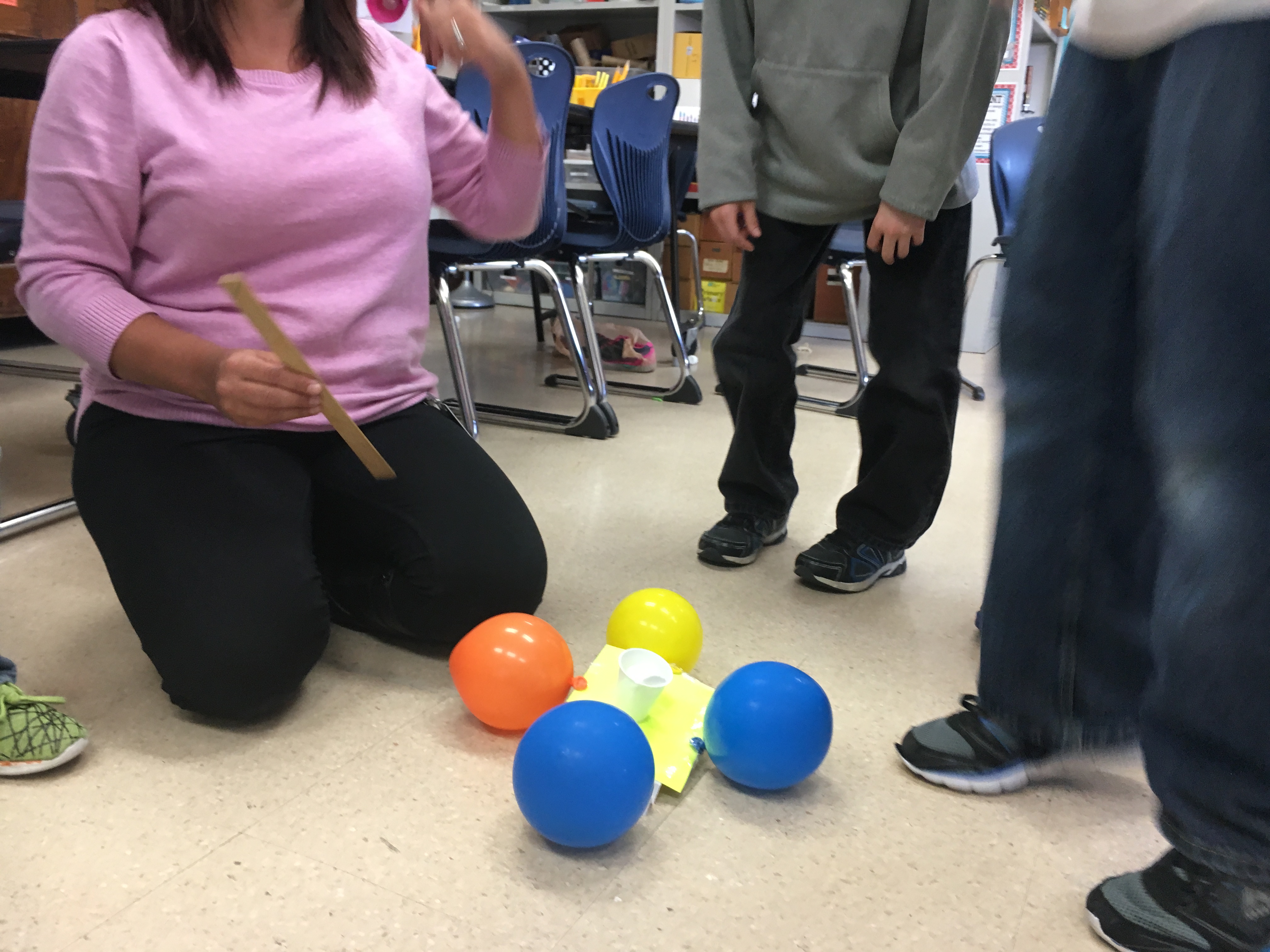
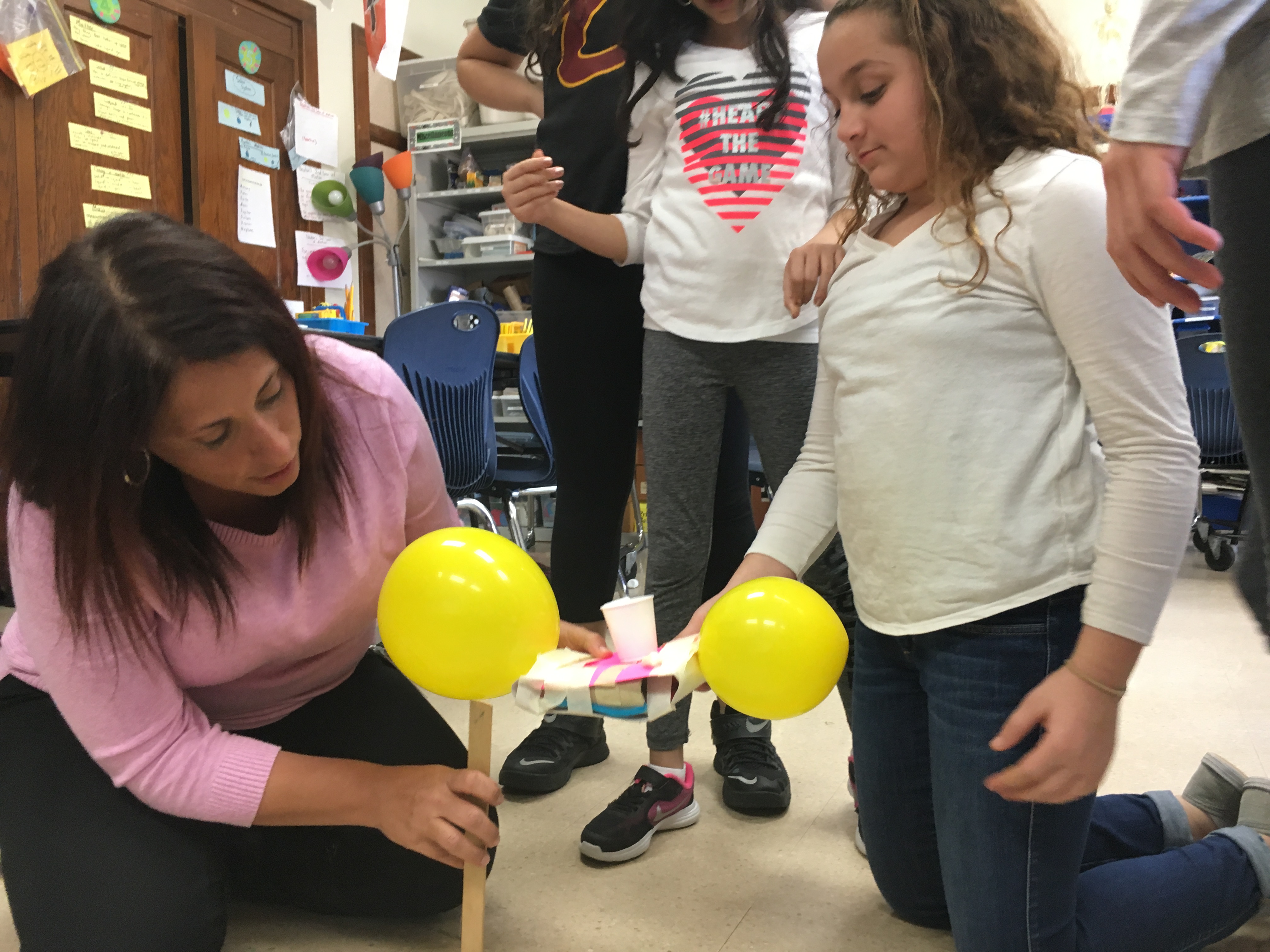
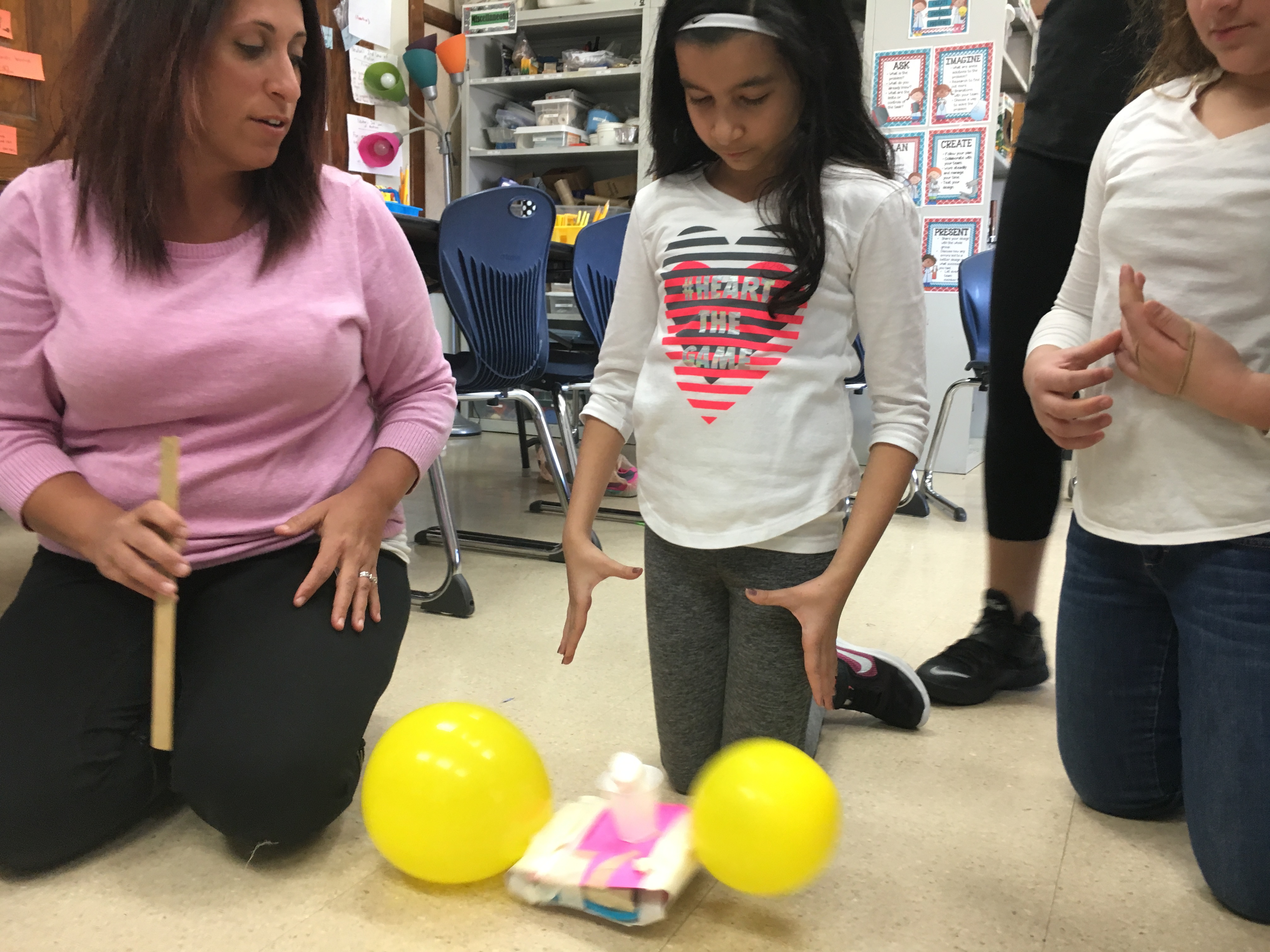
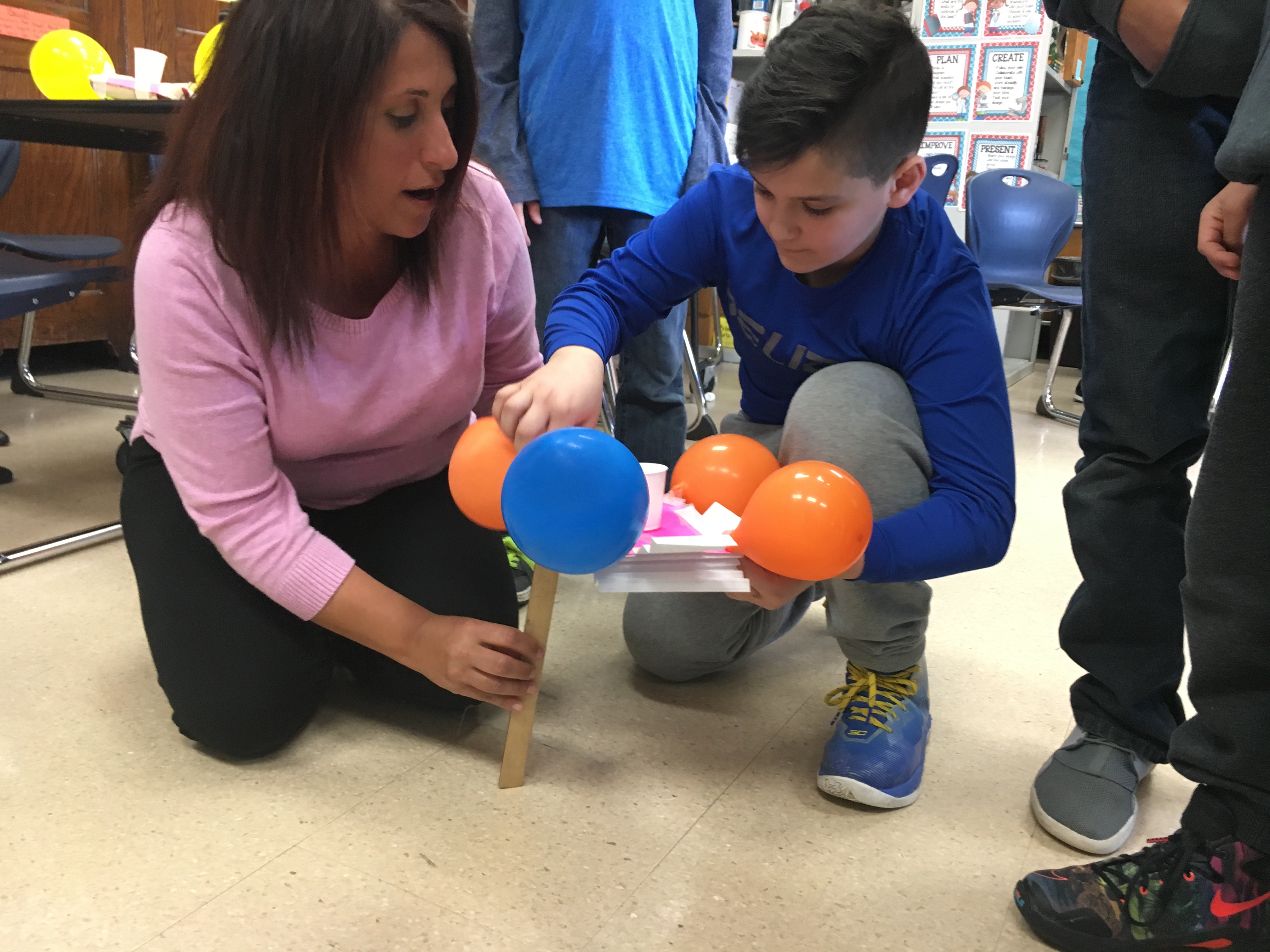
“STEM Activity” -Alien Space Lander
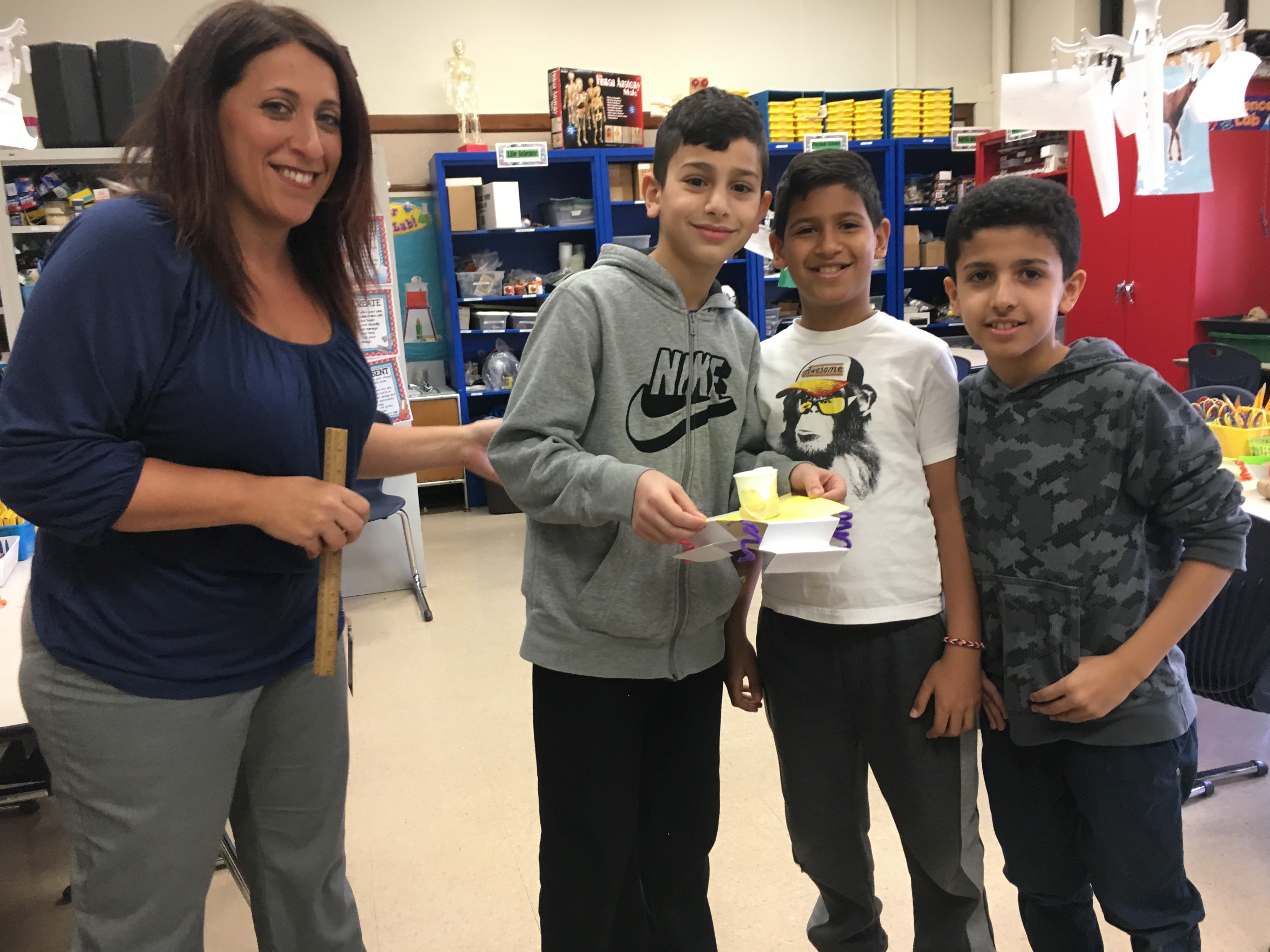
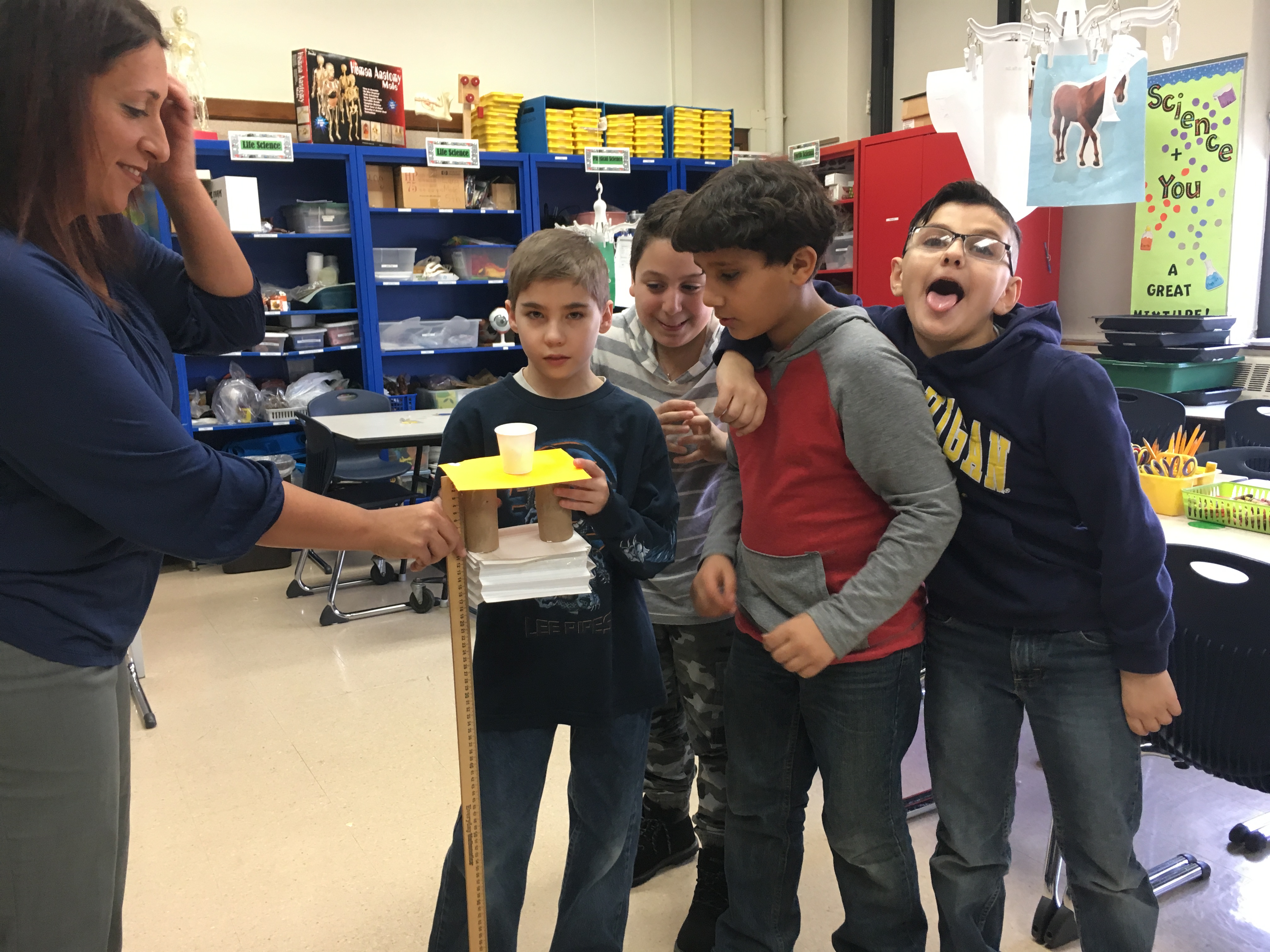
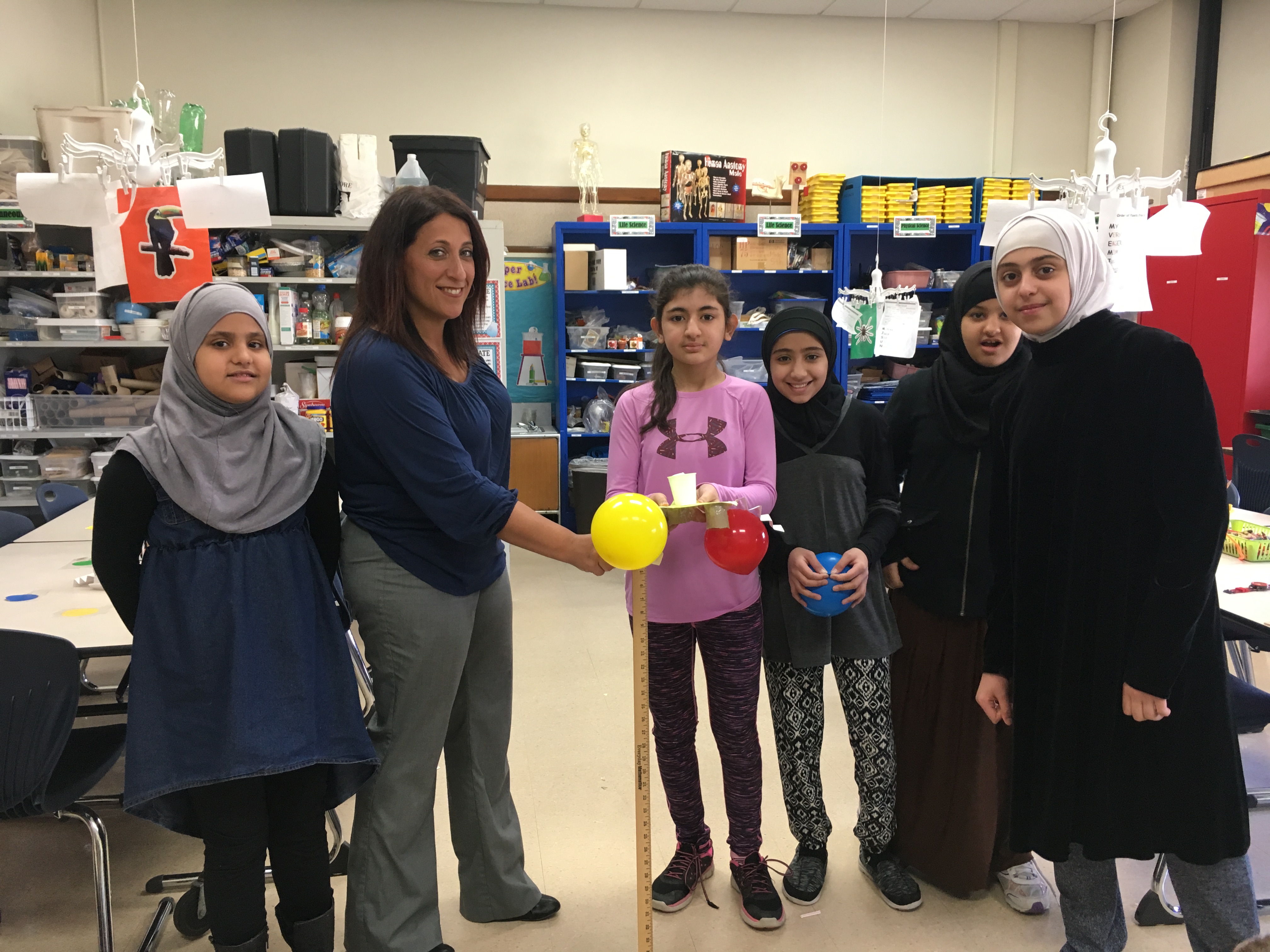
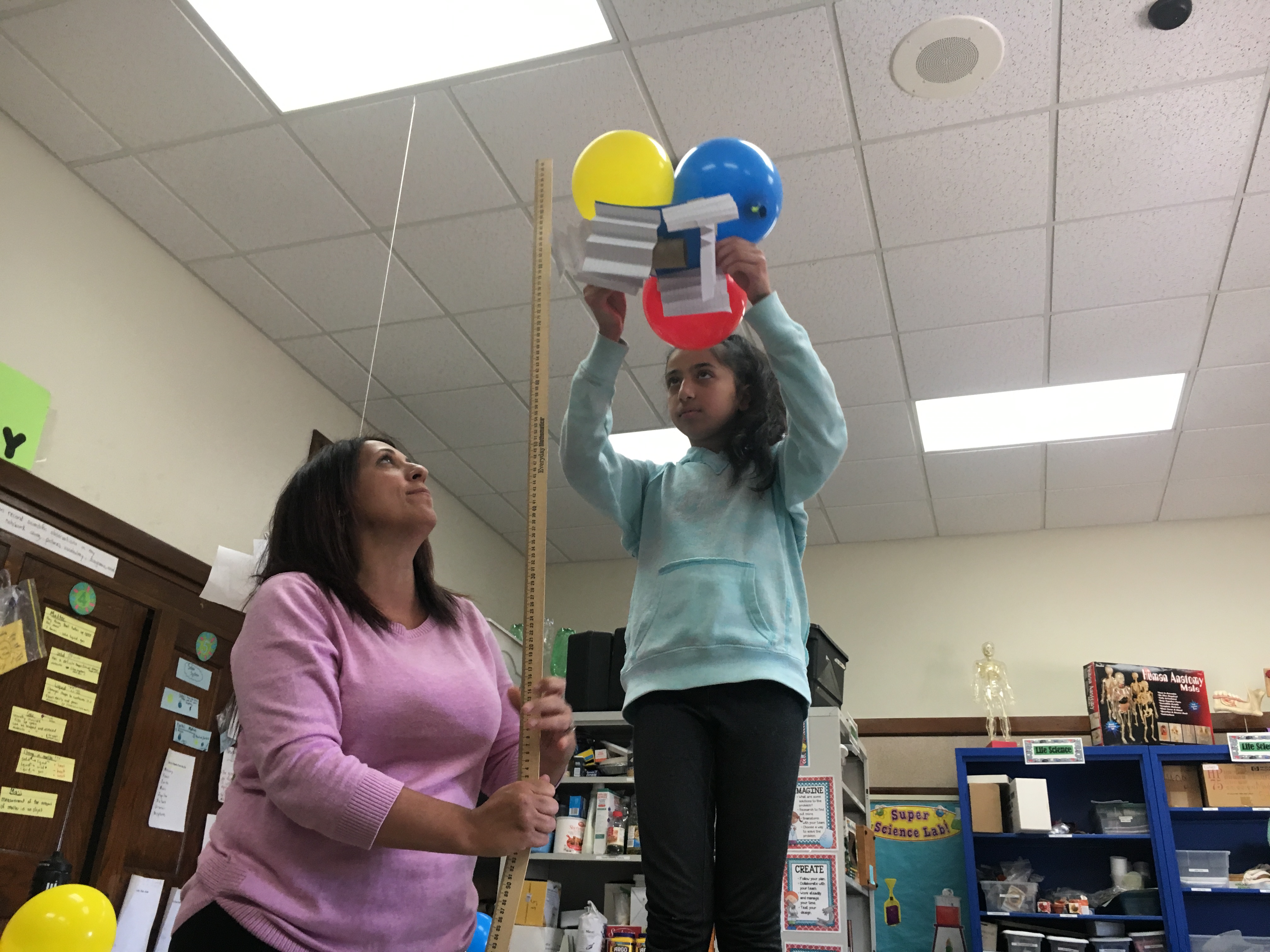
Content Objective: I can demonstrate application of the Engineering process by creating an alien space lander with a shock-absorber and stabilizer that can land 2 aliens safely onto Earth(using materials only provided) following the engineering steps: Ask, Imagine, Plan, Create, Improve, and Present.
Language Objective: I can write and draw to explain my groups plan to create a space lander and explain any improvements needed.
Vocabulary: STEM, Engineering, Ask, Plan, Create, Improve, Present,
Stabilizer, shock-absorber
Leave a Reply